Local Perspective
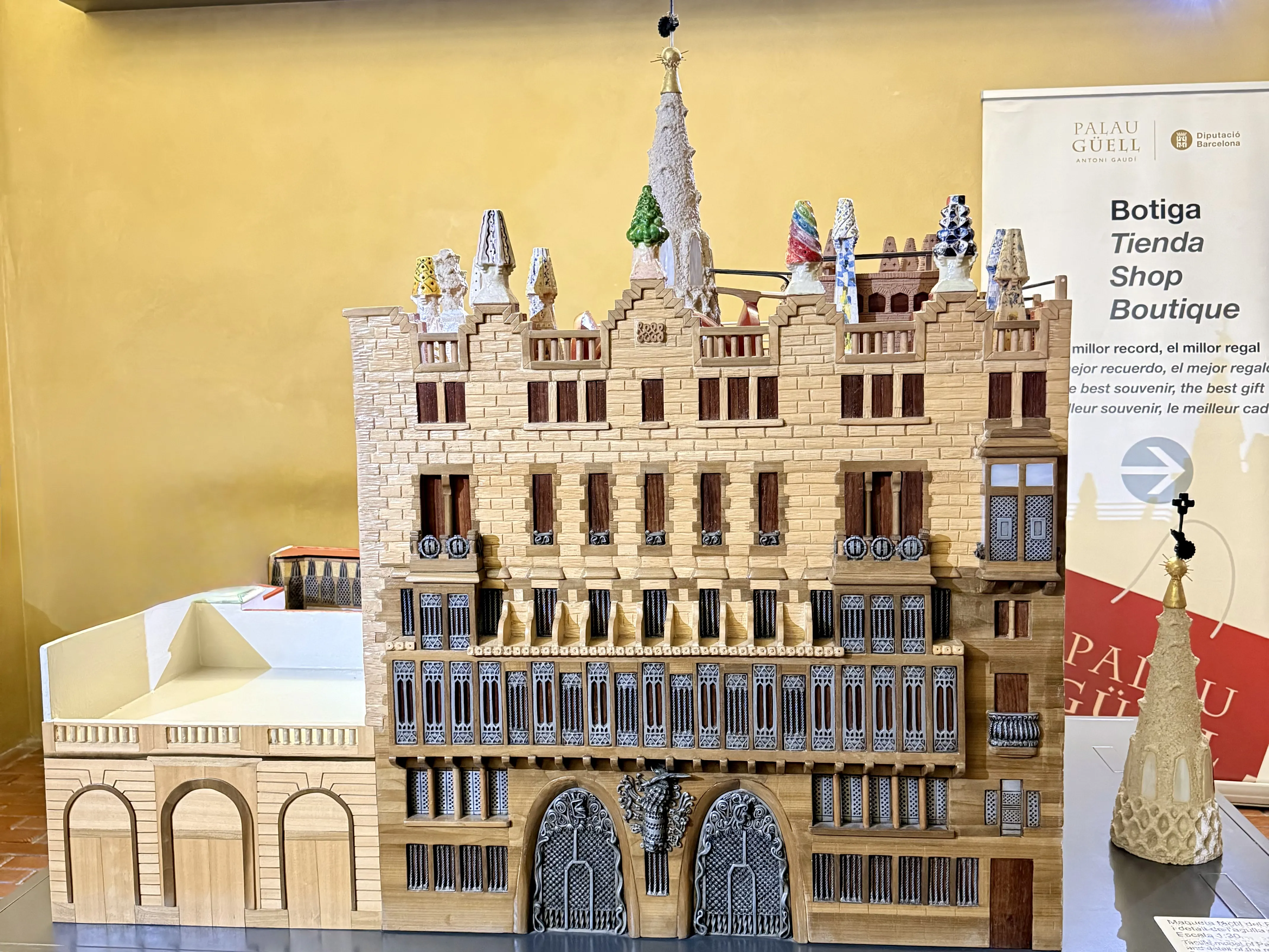
Before the Sagrada Família, before Park Güell, before the iconic buildings on Passeig de Gràcia — there was this. A mansion tucked into the narrow streets of El Raval, and the project that started one of the most remarkable partnerships in architectural history.
The client was Eusebi Güell — in his thirties, from one of the wealthiest families in the world, and clearly someone with an eye for talent. The architect was a young Antoni Gaudí, still early in his career and not yet the legend everyone knows today. Güell essentially handed him a blank cheque and told him to get on with it.
He did.
The Build — No Detail Left Untouched
The finest stone, the finest wood, elaborate wrought iron throughout. But what makes Palau Güell genuinely special is the scale of Gaudí's involvement. He did not just design the building — he designed the furniture, the lighting, and virtually every interior detail down to the smallest decorative element. It is a complete vision, top to bottom.
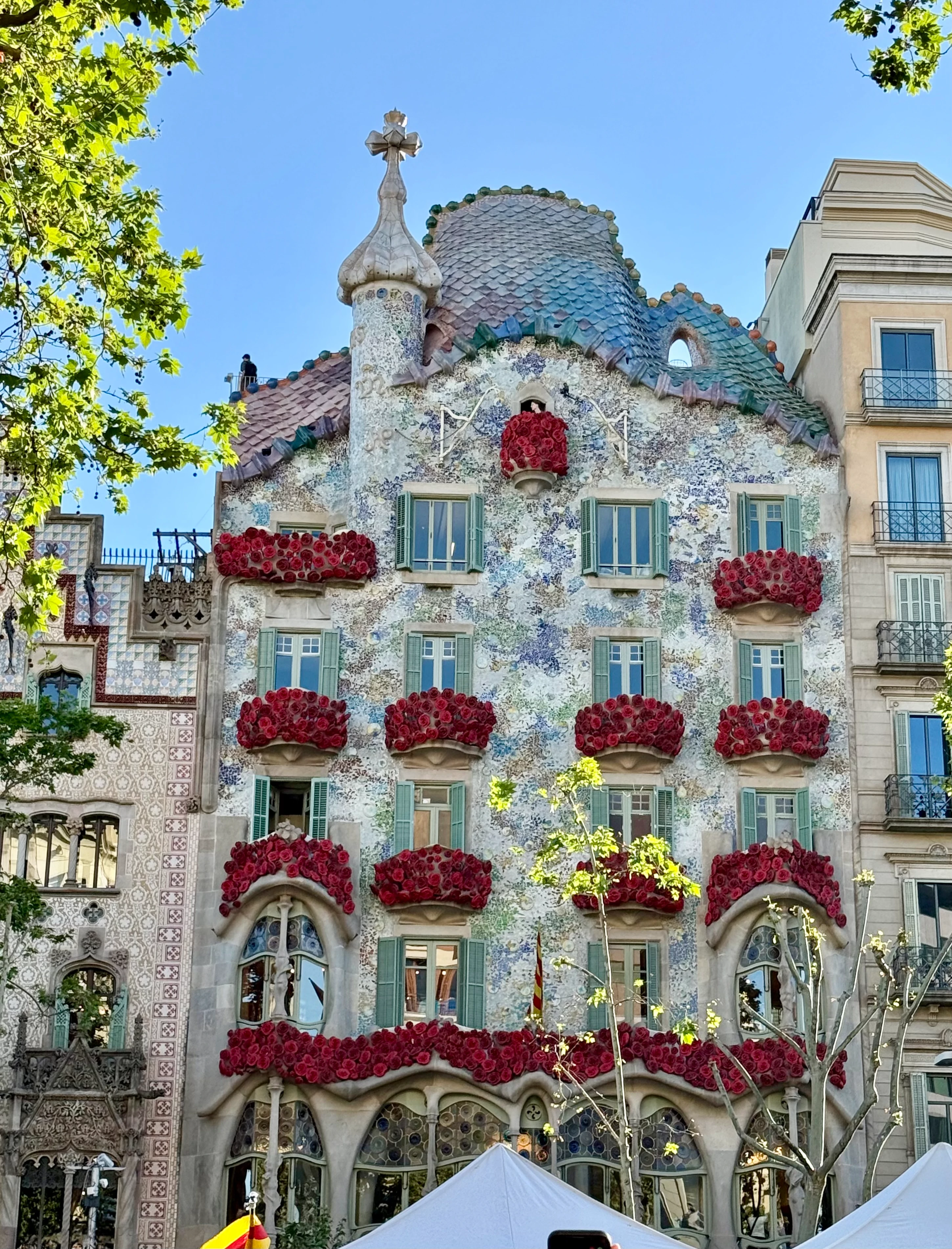
The atmosphere is nothing like his later work. If you have already seen the bright, organic curves of Casa Batlló or La Pedrera, this will surprise you. Palau Güell is darker, heavier, and steeped in Gothic and Moorish influence. It is Gaudí before he fully became Gaudí — and that is exactly what makes it fascinating.
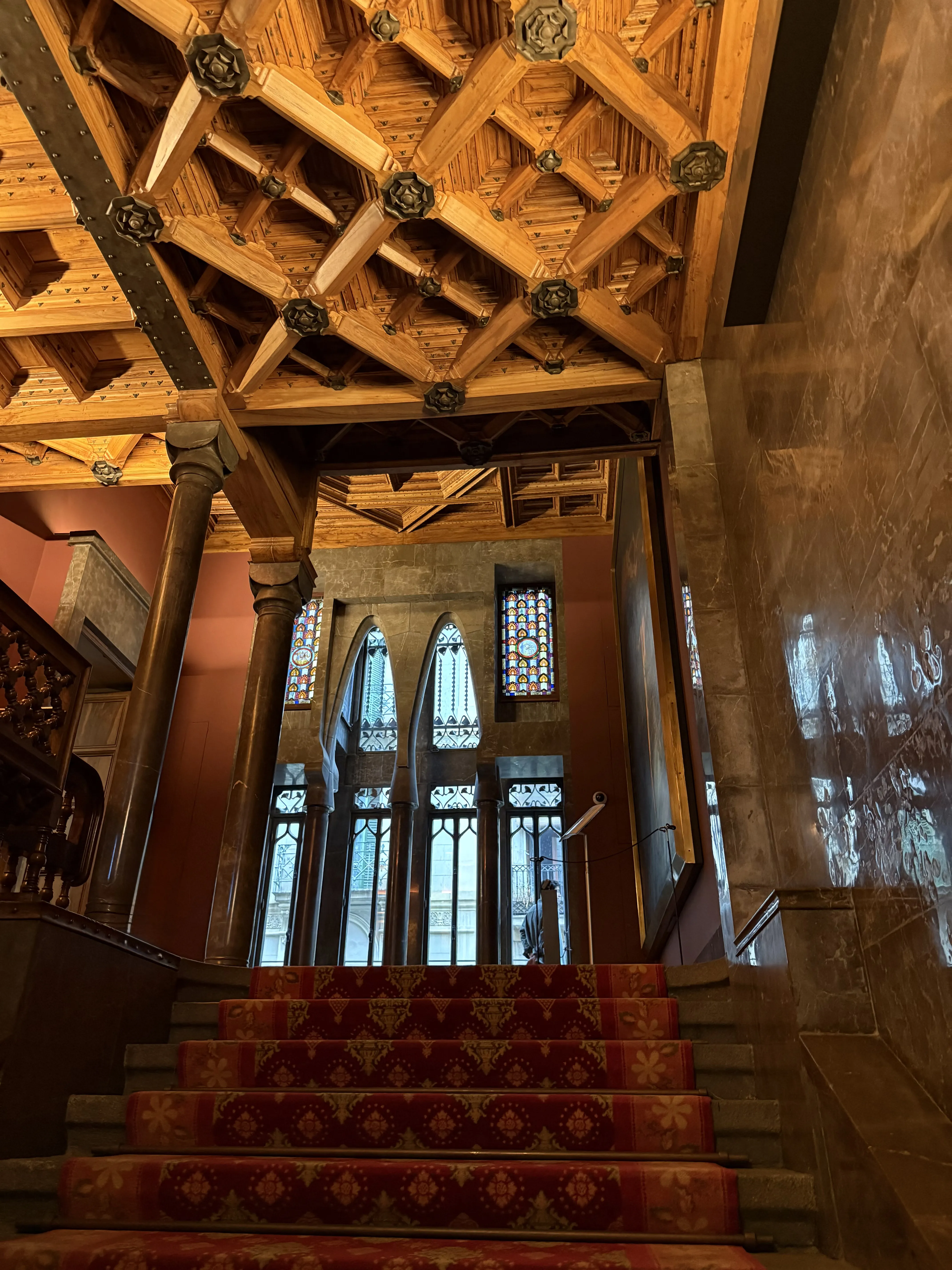
The staircase to the upper floor, beneath Gaudí's original wooden ceiling
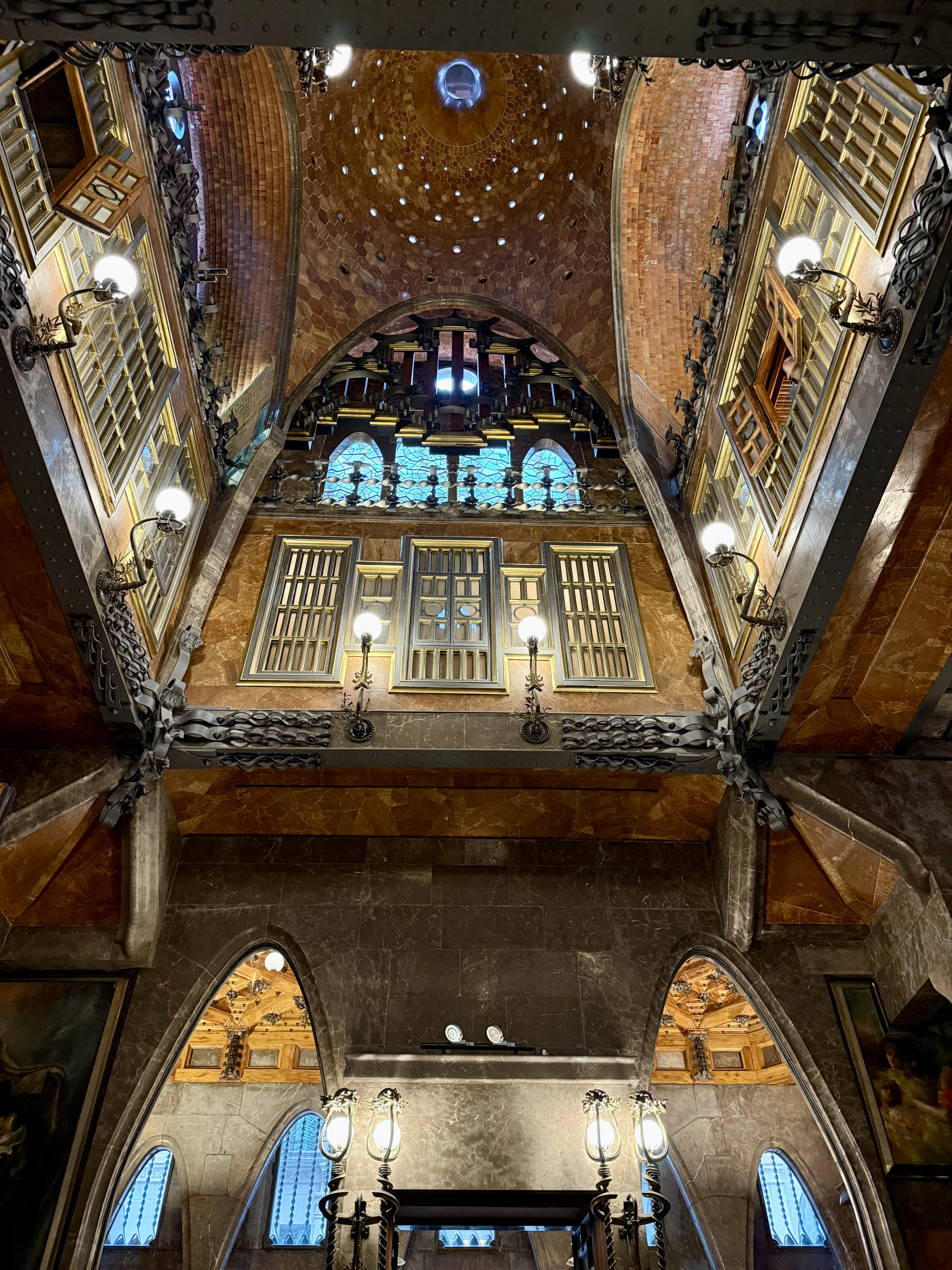
The great hall, crowned by Gaudí's parabolic dome
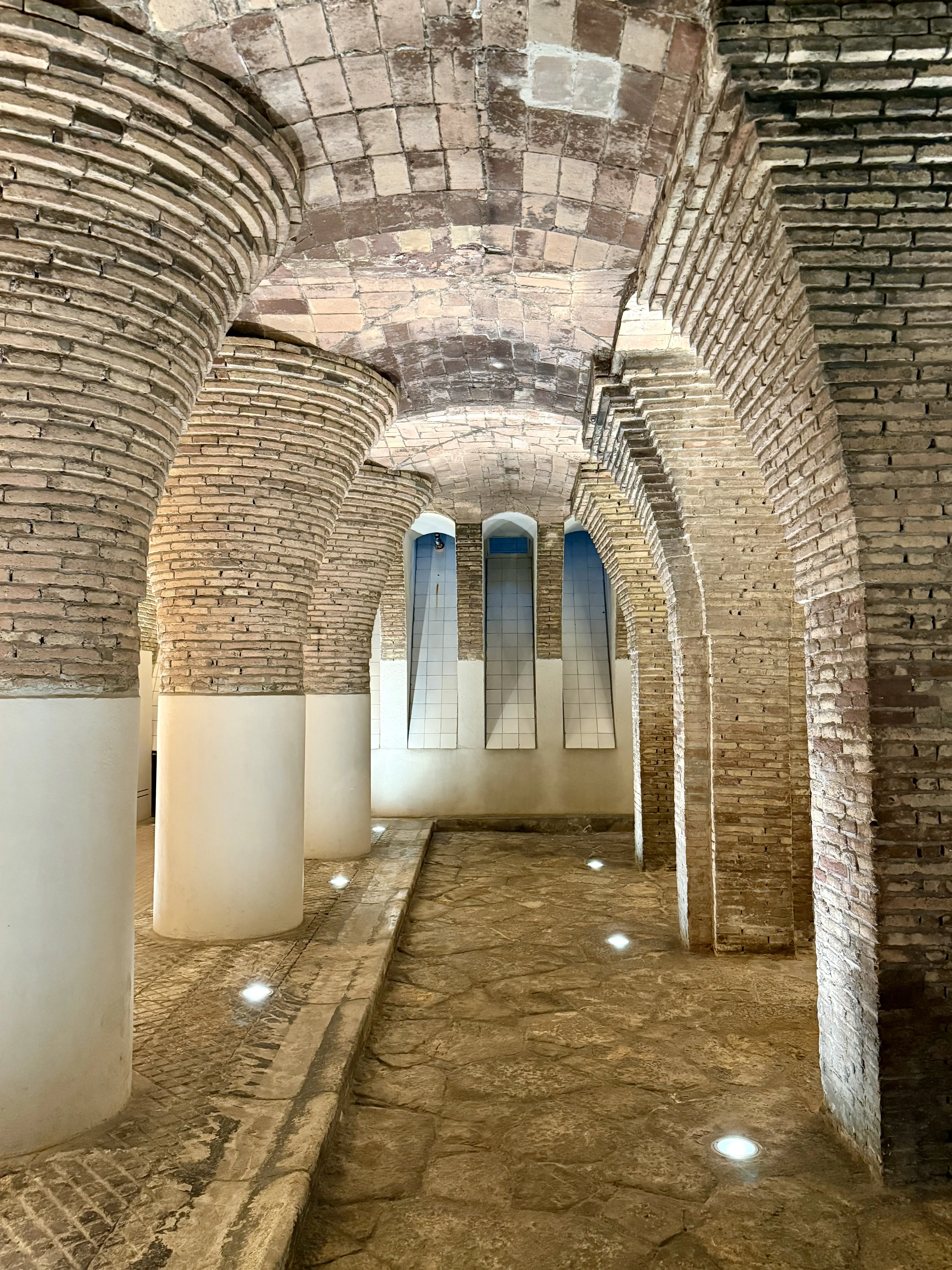
The basement stables, where guests' carriages once waited
The Human Story
Local telling has it that Güell's wife, Isabel López Bru, never quite took to the place. The streets of the old city were narrow, and the mood inside is often described as closer to something you'd mourn in than live in. Eventually the family moved to the sunnier, more open hillside that would later become Park Güell.
To make matters worse, while all of her wealthy peers were building bright, fashionable mansions in the newly developed Eixample district, she found herself living in working-class El Raval. You can hardly blame her for not warming to it.
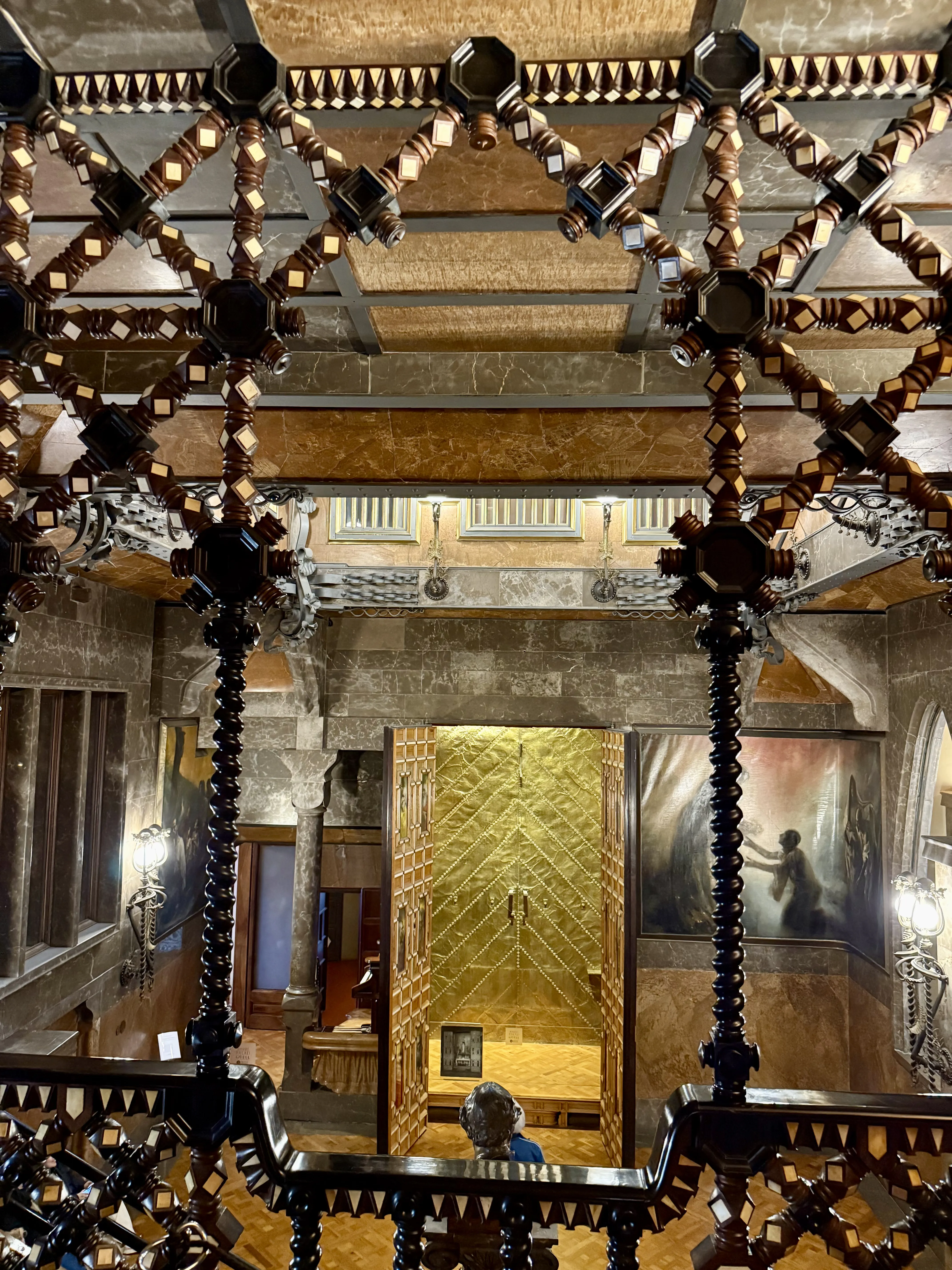
Looking down into the central atrium from the second floor
Visiting — What to Know
The audio guide is included in your ticket. You can pick up a device at the entrance or load it directly onto your phone. Given how much detail there is to take in, it is worth using.
More than any other stop on the Gaudí trail, this is the one that gives you context. Seeing where he started — and then standing later in front of the Sagrada Família — is the only way to truly understand how far he travelled as an artist.
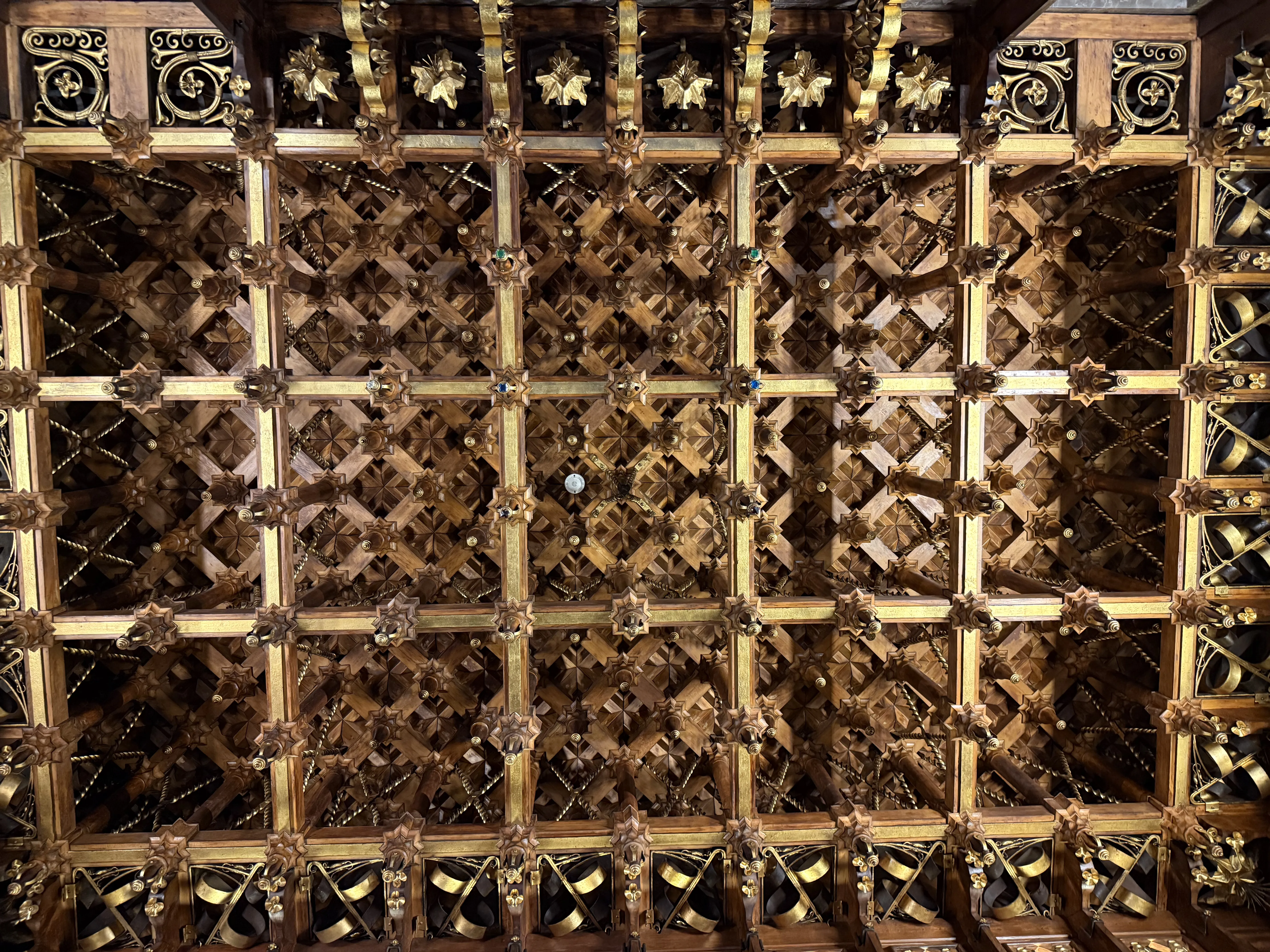
A closer look at Gaudí's ceiling — no detail was left untouched
Address
C/ Nou de la Rambla, 3-5, 08001 Barcelona
Hours
Closed Mondays (except select holidays)
How Long
Around 1–1.5 hours, audio guide included
Best For
Gaudí completists, architecture fans tracing his career from the start
Tickets
Book ahead in peak season — limited capacity per time slot, sells out
Frequently Asked Questions
How long does a visit to Palau Güell take?
Most visits take around an hour to an hour and a half, audio guide included.
Is the audio guide included in the ticket price?
Yes, the audio guide is included and available in multiple languages — worth using given how much detail is packed into the building.
How does Palau Güell compare to Casa Batlló or La Pedrera?
Palau Güell is Gaudí's earliest major commission — darker, heavier, and more Gothic in feel than the brighter, organic style he became known for later. It's the best starting point for understanding how his style evolved.
Is Palau Güell wheelchair accessible?
Most of the building is accessible via an adapted tour and a small lift, though a few areas like the roof aren't reachable this way. Worth contacting them ahead of your visit if you need this.
Do you need to book Palau Güell tickets in advance?
It's strongly recommended, especially in peak season — the building has limited capacity per time slot and sells out. Booking ahead also lets you skip the ticket line.