What Is Casa Batlló?
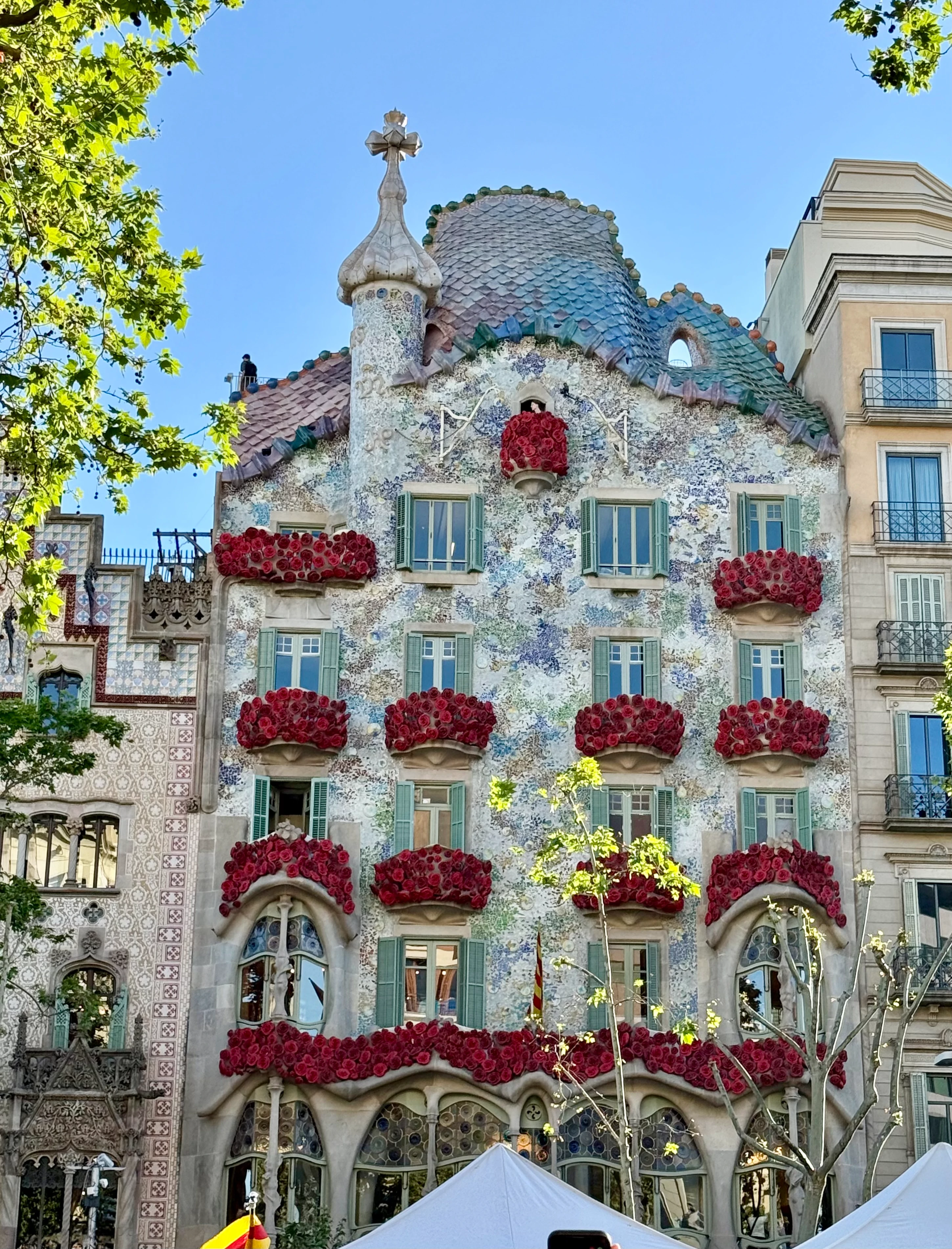
Right on the Passeig de Gràcia, Casa Batlló is hard to miss — its dragon-scale roof and organic, skeletal balconies look like nothing else on the street. Or the planet, really.
The experience inside leans heavily into augmented reality, bringing Gaudí's underwater-inspired vision to life in a way that's genuinely surprising. If you're after something magical and visual rather than purely architectural, this is your pick.
The House That Was Almost Demolished
A Story Worth Knowing
Here's the detail most visitors never learn: Casa Batlló wasn't originally Gaudí's building at all. The house already existed — a fairly ordinary residential building designed decades earlier — when textile industrialist Josep Batlló bought it in 1903 and asked Gaudí to do something with it.
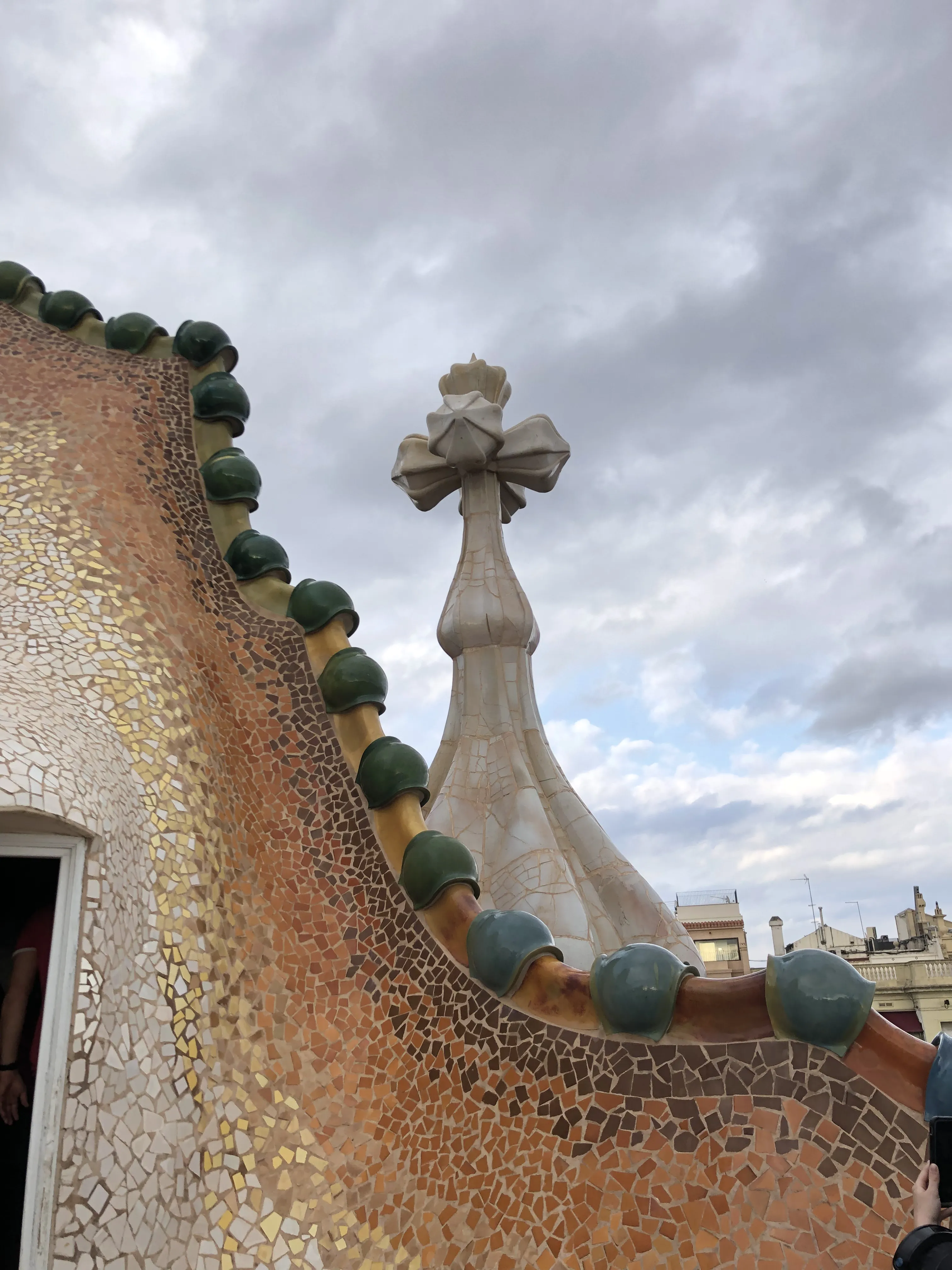
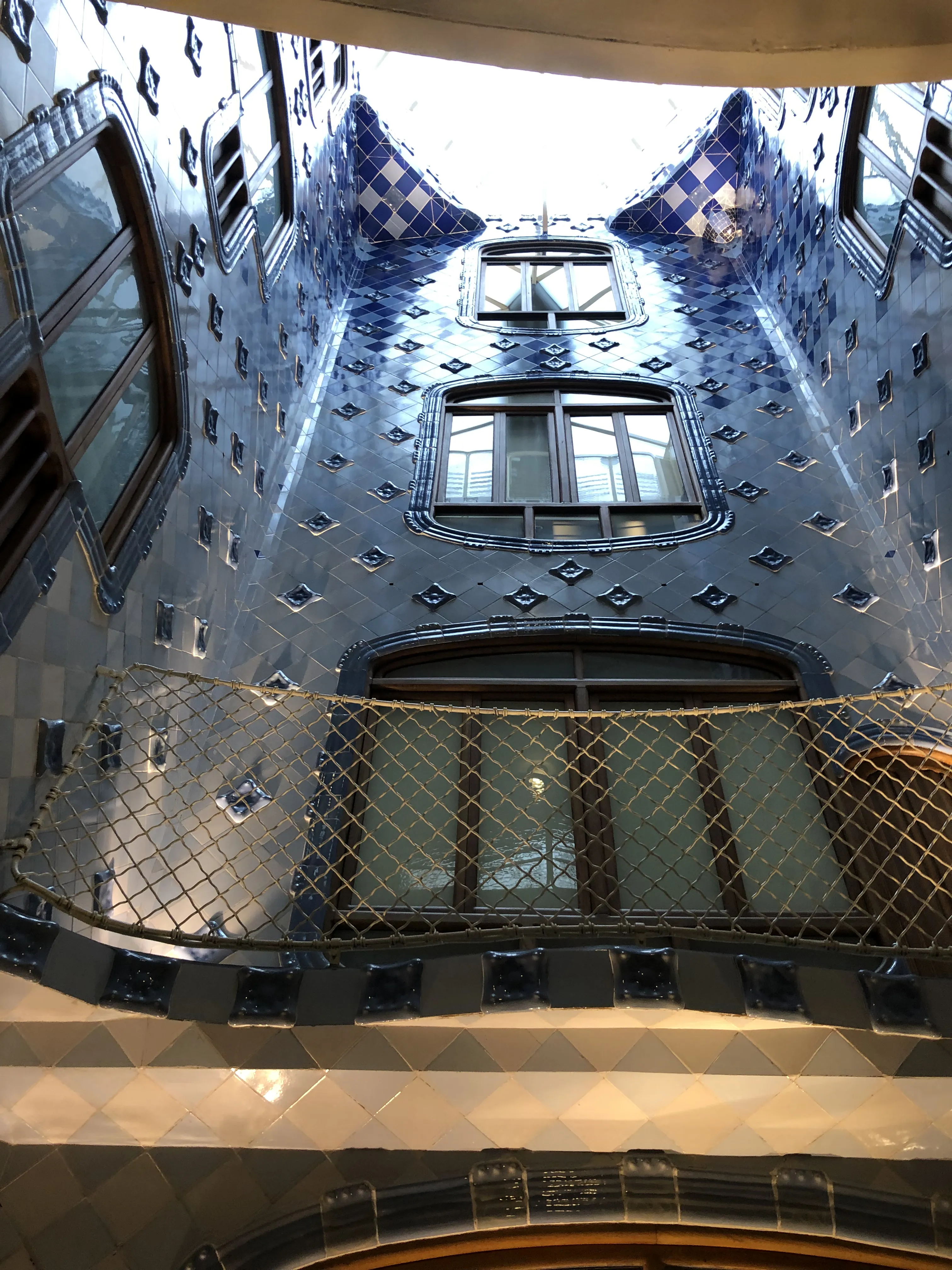
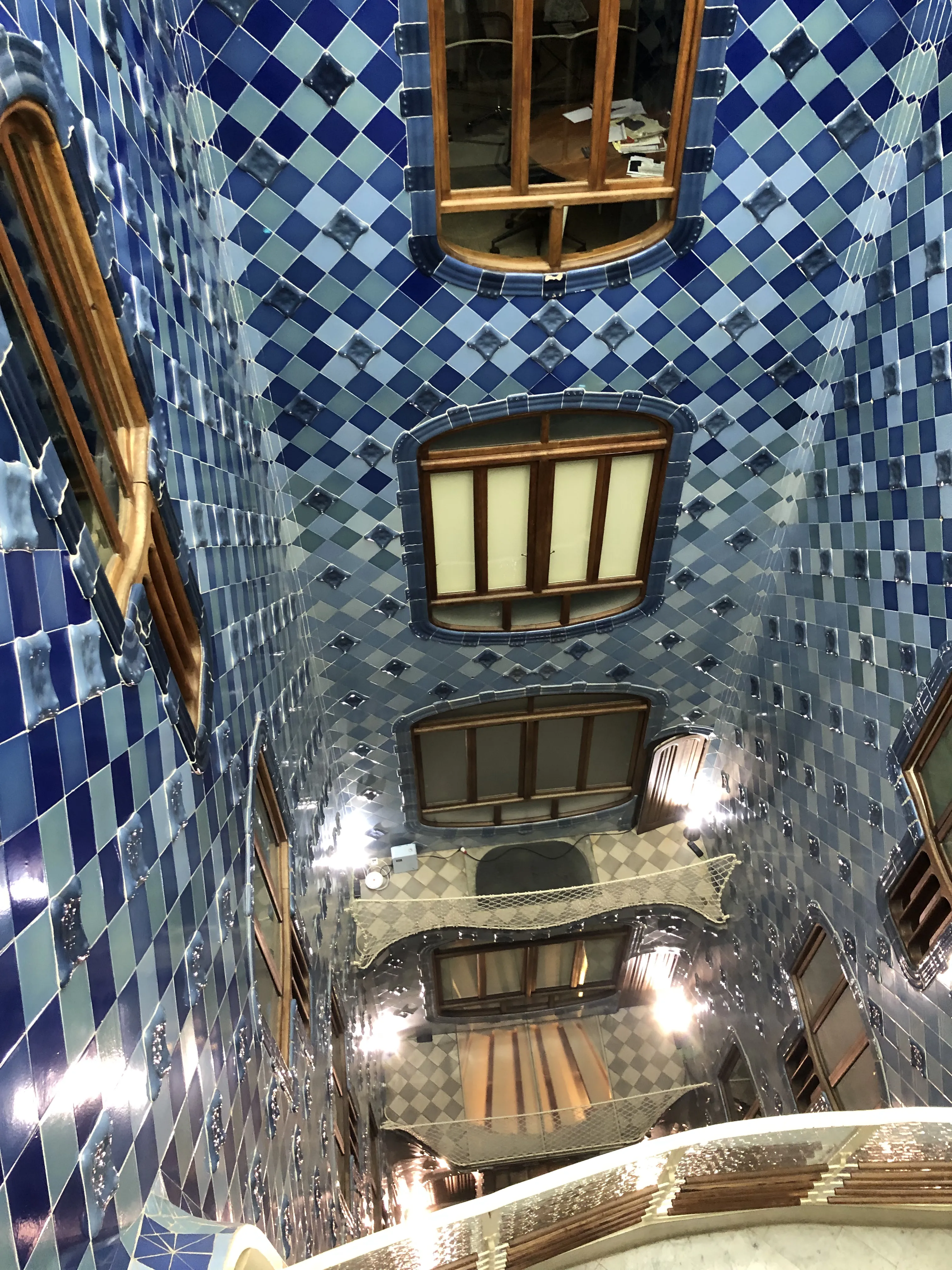
Batlló's original idea was to tear it down and start from nothing. Gaudí talked him out of it. Instead, between 1904 and 1906, he transformed the existing structure from the inside out — reworking the facade, reshaping the interior light wells, building the rooftop into the dragon's spine that defines the building today. What you see now is a complete reinvention layered onto a building that used to be entirely plain.
It's now a UNESCO World Heritage Site, and one of the clearest examples in the city of Gaudí not just designing from scratch, but transforming something ordinary into something nobody else could have imagined.
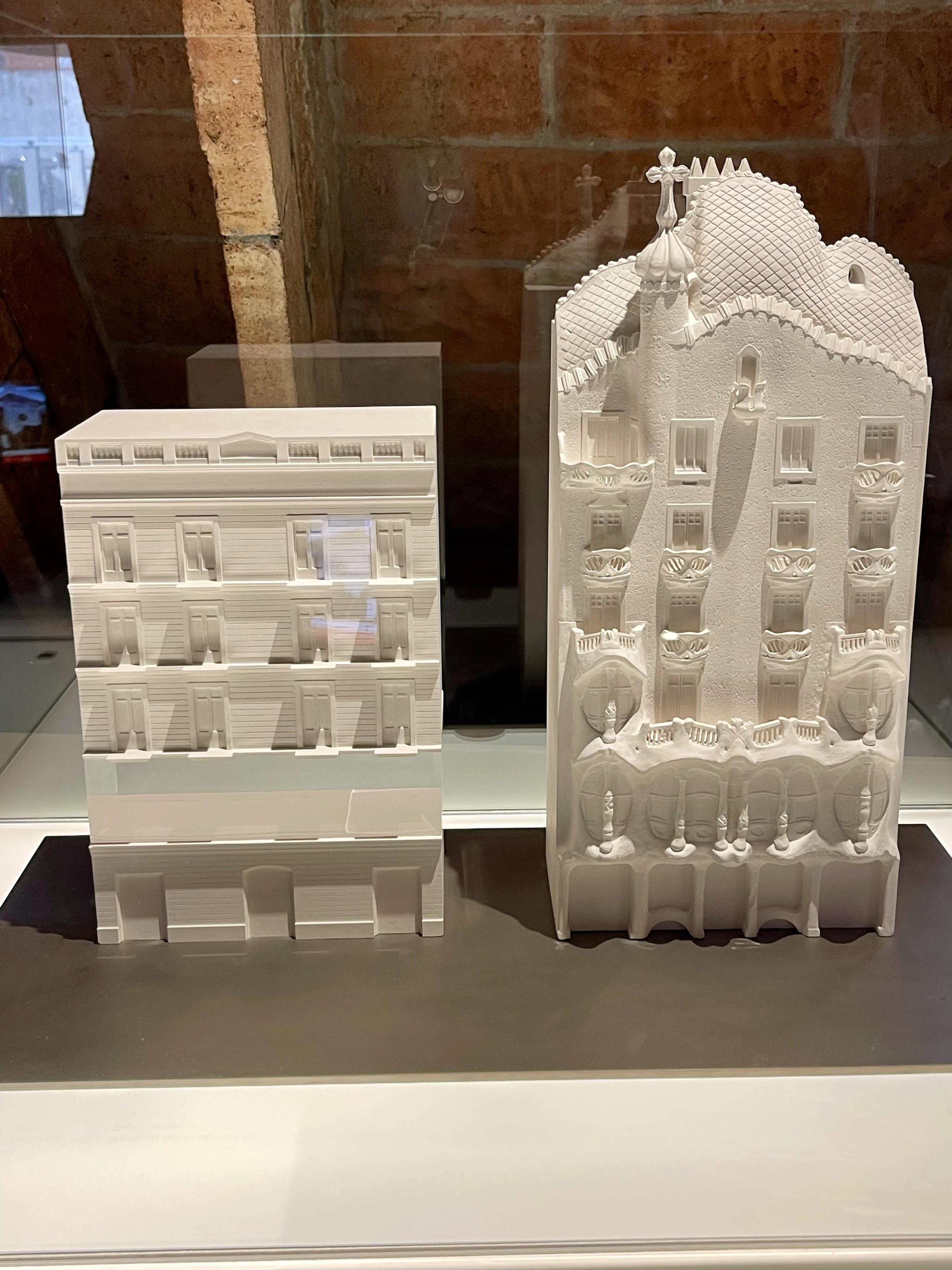
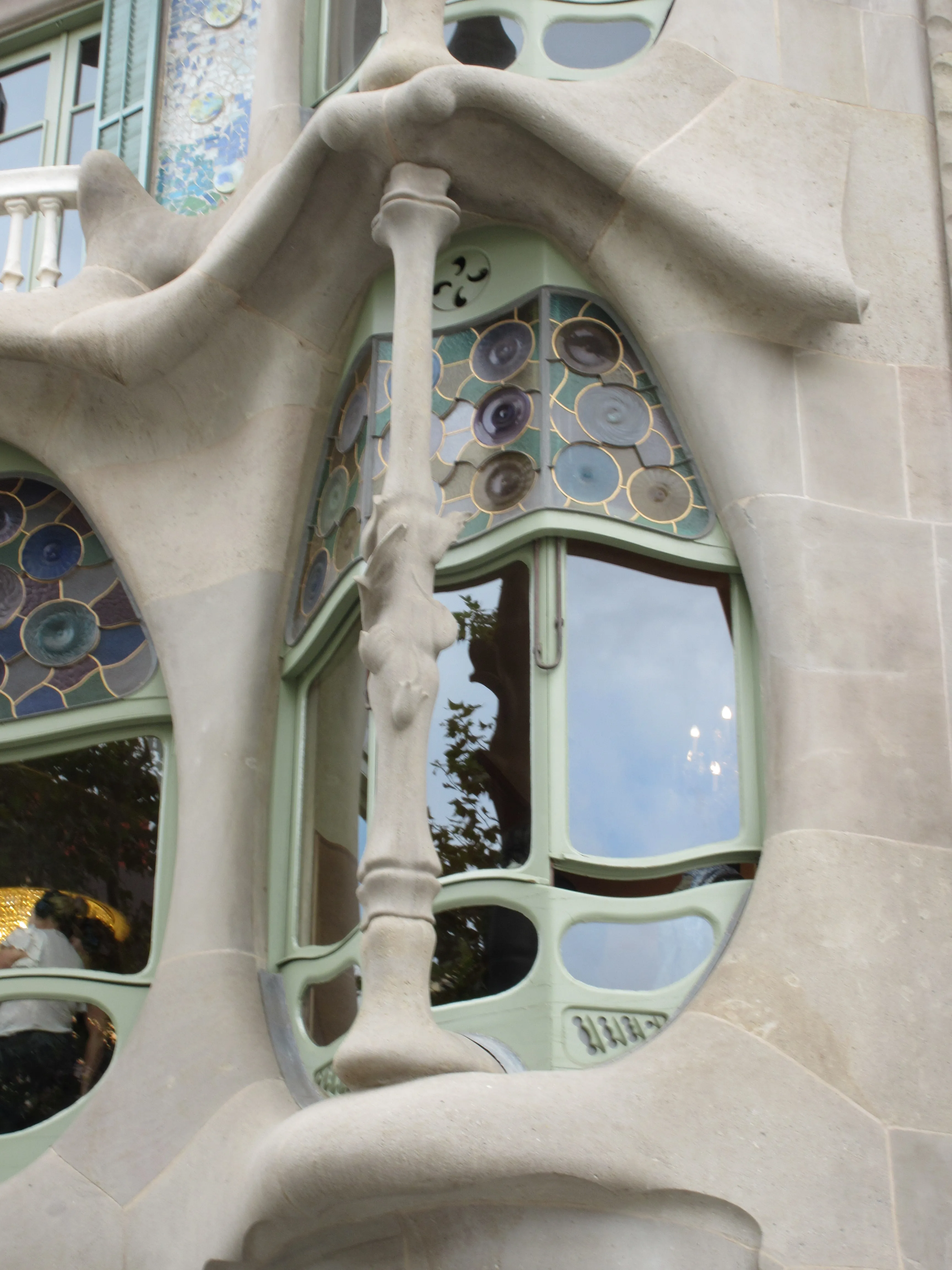
The skeletal columns and bone-like balconies you see today — the ones that gave the building its nickname, the House of Bones — were Gaudí's invention, placed over the face of a building that had none of that. The before and after is one of the most dramatic transformations in the history of European architecture.
The Dragon, the Saint and the Skeleton
What the Design Actually Means
Locals don't just call it Casa Batlló. The building's nickname is Casa dels Ossos — the House of Bones — because of the visceral, skeletal quality of the balconies and columns. You'll also hear it called the House of Yawns, the House of Masks, and the House of the Dragon, depending who you ask.
The roof is the key to understanding all of it. Gaudí shaped it as a dragon's back, scales and all, with a tower rising from one end topped with a cross — a direct reference to Saint George, Catalonia's patron saint, who legend says slew a dragon to save a princess. It's not decoration for decoration's sake. It's a piece of Catalan identity built into the skyline of one of the city's busiest streets, and once you know to look for it, you can't not see it.
The Augmented Reality Experience
The AR tablet, included in Gold and Platinum tickets, isn't just a gimmick layered on top of the visit — it's designed to show you where Gaudí actually got his ideas. As you move through the house, it overlays the natural forms that inspired specific details: the fireplace, for instance, was originally conceived in the shape of a mushroom, and several of the ventilation features take their form from fish gills. The whole point is to make the house's logic visible — Gaudí wasn't decorating randomly, he was translating nature into architecture, room by room, and the AR layer is genuinely good at showing you that connection rather than just pointing a camera at things.
The Ceiling That Looks Like a Whirlpool
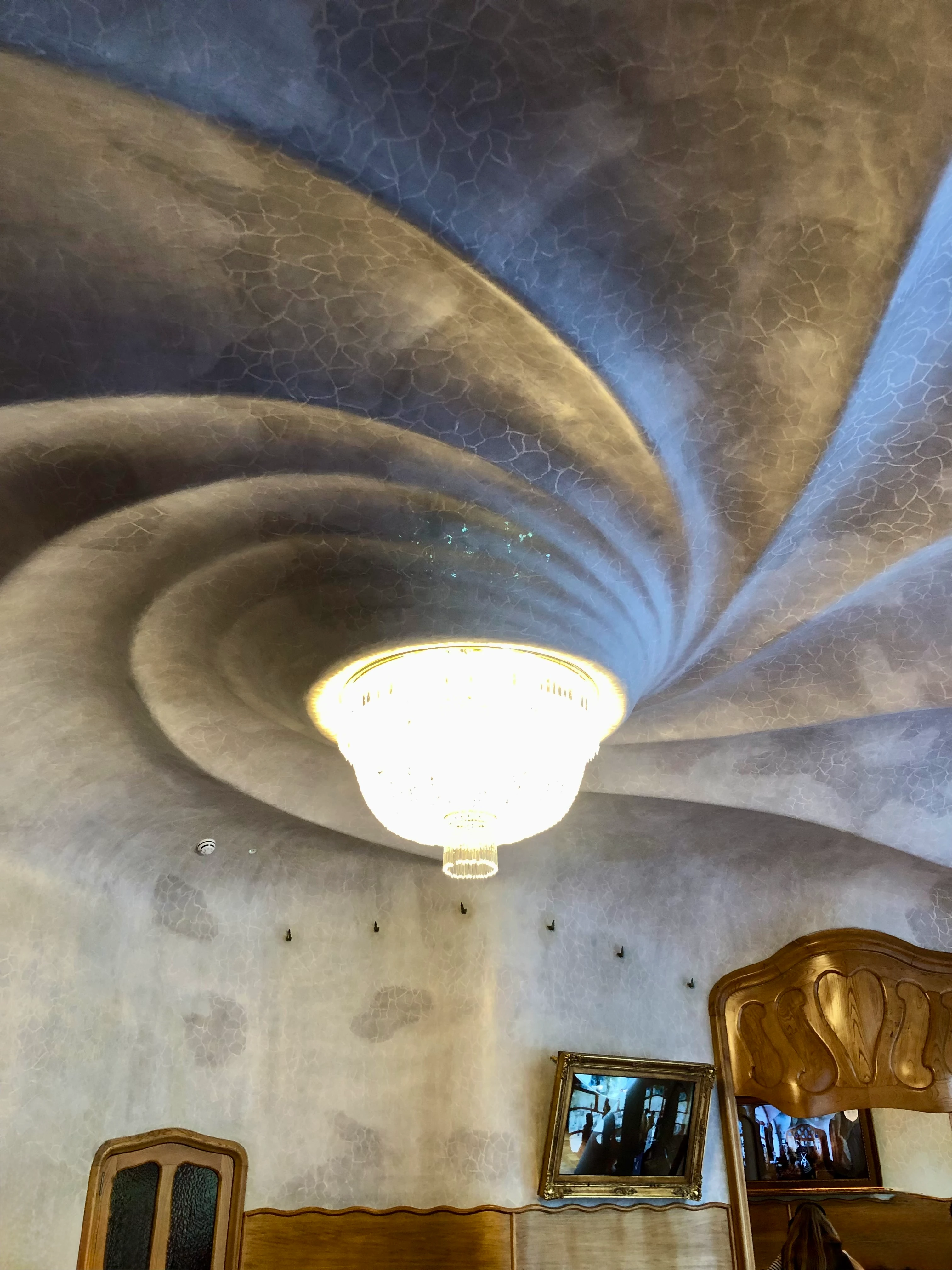
Stand in the main room and look up. The ceiling spirals outward from a central point like water draining — or filling — depending on how your brain wants to read it. Gaudí carved it to suggest a whirlpool, and the central light fixture sits exactly where the eye is pulled, so the whole room genuinely feels like it's moving even though nothing is.
It's one of those details photographs never quite do justice to. You have to stand underneath it and tilt your head back to feel the pull.
Live Music on the Dragon's Rooftop
The Night Experience
If you can time your trip around it, the night visit is worth serious consideration. Every evening that there's a live performance, Casa Batlló opens at 20:00 for an evening visit that includes entry to the house plus roughly an hour of live music staged on the rooftop terrace — genre changes night to night, so what you get is genuinely different depending on when you go.
The same ticket tier logic applies here as the daytime visit, and your tier also determines where you're seated for the performance — higher tiers get better rooftop positioning, not just more of the house. One thing to flag clearly: the free children's entry that applies to daytime tickets does not apply to the night experience — every attendee, regardless of age, needs a paid ticket for this one.
Casa Batlló Ticket Types Explained
Which One Should You Book?
This is the part most guides get wrong or skip entirely. Casa Batlló has six ticket categories, and the difference between them is bigger than the price tag suggests.
| Feature |
Blue |
Silver |
Gold |
Platinum |
| Entrance + audio guide |
✓ | ✓ | ✓ | ✓ |
| Gaudí Cube |
✓ | ✓ | ✓ | ✓ |
| Dragon's Rooftop |
— | ✓ | ✓ | ✓ |
| AR tablet experience |
— | — | ✓ | ✓ |
| Gaudí Dome + Concierge Room |
— | — | ✓ | ✓ |
| Family's private residence |
— | — | ✓ | ✓ |
| Priority queue + flexible dates + free cancellation |
— | — | — | ✓ |
Morning Access
- Everything in Gold
- Entry at 8:30am or 8:45am — ahead of standard 9:00am opening
If avoiding crowds matters to you, this is worth the early start.
My honest take: if you only care about the architecture and the rooftop, Silver covers it well. If you want the fuller story — the family's private rooms, the AR layer, Gaudí's own backstory — Gold is where the experience actually deepens. Platinum is about flexibility, not extra content. Morning Access is the one I'd personally pick if crowds are your main concern — same content as Gold, just before everyone else arrives.
Compare and Book Directly
Affiliate links — I earn a small commission if you book through these links, at no extra cost to you.
Casa Batlló uses dynamic pricing, so prices vary by date and time slot. Don't be surprised if two different days show different prices for the same ticket type.
Children's Entry
Children up to 12 enter free on daytime tickets, but they still need their own ticket booked alongside an accompanying adult. Don't skip booking a child's ticket just because entry is free — it's still required. Free children's entry does not apply to the Night Experience.
Visiting Casa Batlló Barcelona
One thing to keep in mind: the interior is on the smaller side, which means it can get crowded fast. Book the earliest morning slot you can — the architecture hits differently when you're not shoulder to shoulder with a tour group. Normal entrance starts at 9:00am; Morning Access gets you in at 8:30 or 8:45am, before the doors officially open to everyone else.
Address
Passeig de Gràcia, 43, Barcelona
Getting There
Metro: Passeig de Gràcia (L2, L3, L4) — the building is directly on the boulevard, impossible to miss.
Opening Hours
General admission from 9:00am. Morning Access from 8:30 or 8:45am. Night Experience from 20:00 on performance evenings.
Tickets
Book online in advance — the building sells out, especially for morning and weekend slots.
Frequently Asked Questions
Is Casa Batlló worth visiting?
Yes — it's one of the most visually distinctive buildings in Barcelona, and the interior delivers on the promise of the facade. Even without the AR upgrade, the staircase and rooftop alone justify the visit.
Why is Casa Batlló called the House of Bones?
Because of the skeletal, organic quality of its balconies and columns — locals call it Casa dels Ossos. The building also goes by the House of Yawns, the House of Masks, and the House of the Dragon, depending on which feature you're looking at.
What is the augmented reality experience at Casa Batlló?
A tablet-based experience included in the Gold and Platinum tickets, which shows you the natural forms that inspired specific details in the house as you move through it — for example, the fireplace was originally shaped like a mushroom, and some of the ventilation features take their form from fish gills.
What's the difference between Casa Batlló Gold and Platinum tickets?
Both include the AR tablet, the Gaudí Dome, the Concierge Room and the Batlló family's private residence. Platinum adds a priority queue pass, flexible date changes, and free cancellation — extra flexibility rather than extra content.
Do children need a ticket for Casa Batlló?
Yes. Children up to 12 enter free of charge on daytime tickets, but they still need a ticket booked alongside an accompanying adult, and must be supervised throughout the visit. Free children's entry does not apply to the Night Experience.
Is Casa Batlló better than Sagrada Família?
They're not really comparable — Sagrada Família is a basilica still under construction, on a different scale entirely. Casa Batlló is more intimate and immersive. If you only have time for one, Sagrada Família is the unmissable icon; Casa Batlló is the one that surprises you.
What time should I book Casa Batlló to avoid crowds?
As early as possible. The interior is compact, so it fills up fast once general admission opens at 9:00am. The Morning Access slot (8:30 or 8:45am) is worth it specifically to avoid the crowds.
Is there a night experience at Casa Batlló?
Yes — every evening that there's a live performance, Casa Batlló opens at 20:00 for a night visit that includes entry to the house plus around an hour of live music on the rooftop terrace. The genre changes nightly, and your ticket tier determines your seating position for the show. Free children's entry does not apply to this experience.
Why do Casa Batlló ticket prices change?
Casa Batlló uses dynamic pricing, so the cost of the same ticket type can vary depending on the date and time slot you choose. This is standard practice for the venue, not an error.