The Story
Gràcia's formal name is Vila de Gràcia — "the town of Gràcia" — a reminder that this was once a separate settlement on the outskirts of Barcelona Antiga, absorbed only as the city expanded outward. That history is baked into the street pattern: it still doesn't feel like a planned extension of the city grid, because it isn't one.
Even Passeig de Gràcia, one of Barcelona's most iconic streets today, carries the name for exactly this reason — it means "the passage to Gràcia," the historic route that connected the old city to the village. Walk that route in reverse and you end up exactly where the name says you will.
The Insider Angle
Gràcia's streets are a little wider than the Gothic Quarter's or El Born's, but still mostly pedestrian, still narrow enough to feel intimate. What sets it apart isn't the layout, it's the density of small, independent stores and art and craft studios. This isn't a chain-heavy part of town, and it shows the moment you start actually looking at the shopfronts rather than walking past them.
What to See & Do
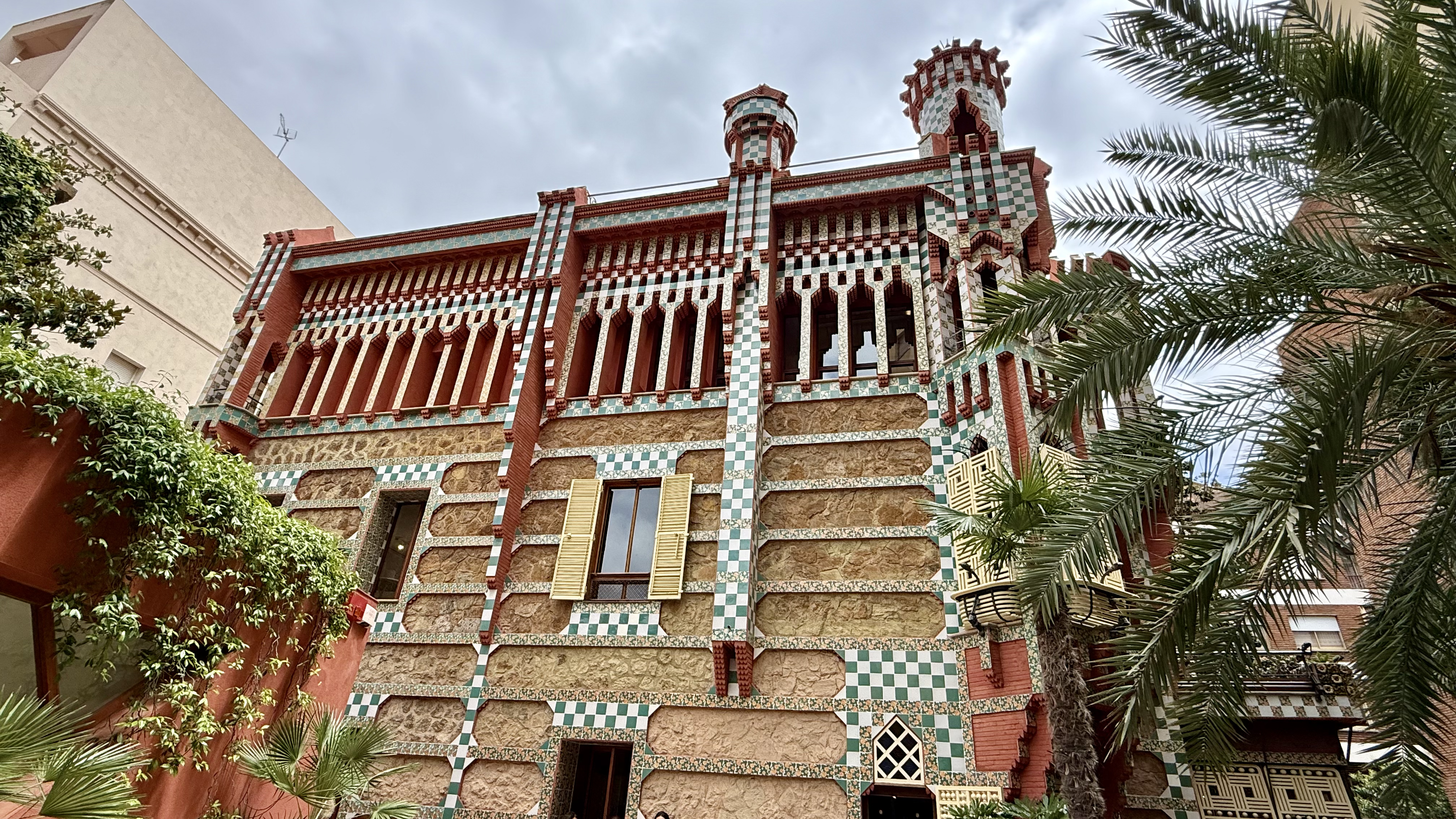
Gràcia isn't built around a single landmark, but it has one genuinely major one: Casa Vicens is physically located in the neighbourhood, no need to travel elsewhere for it.
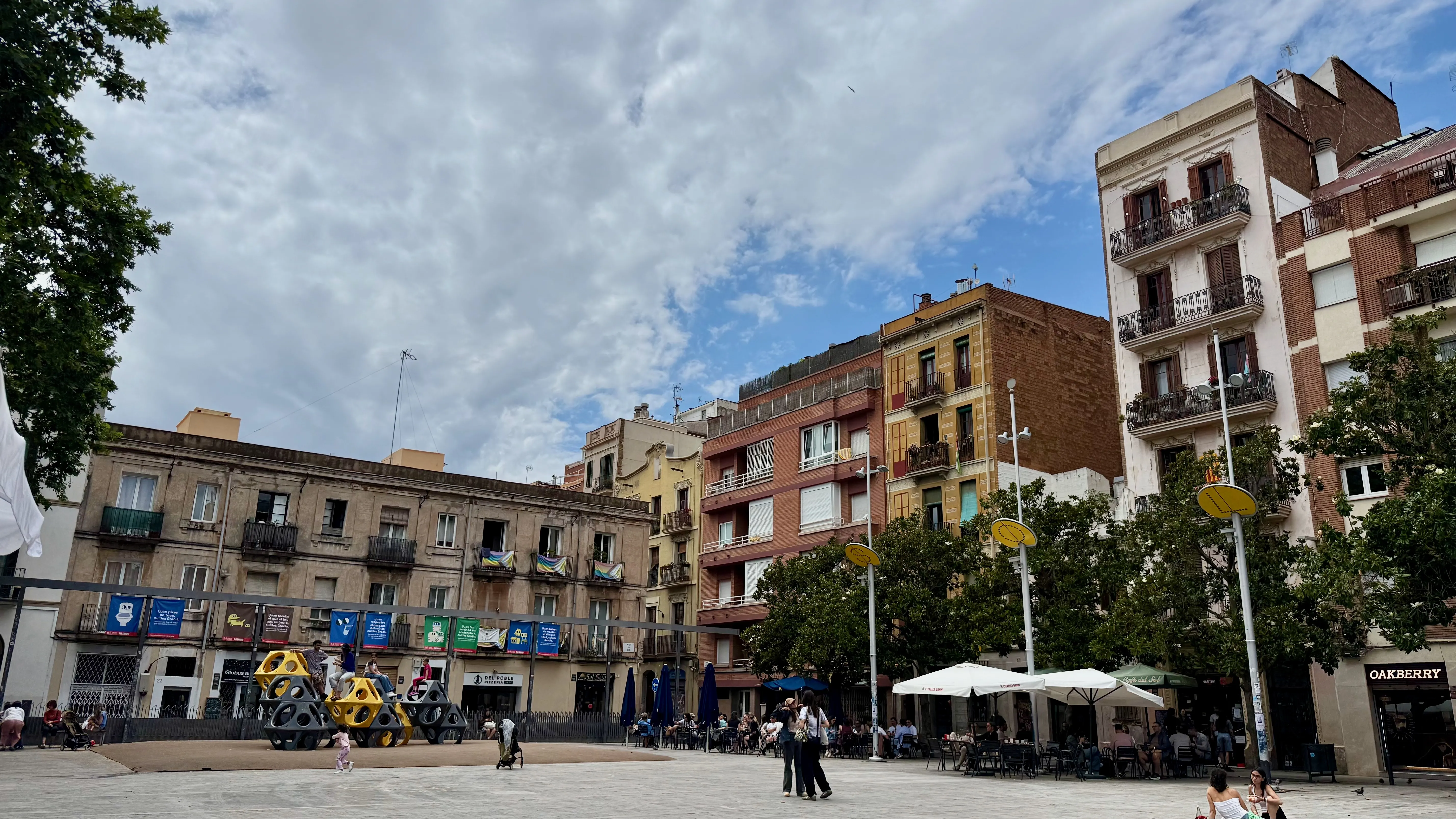
Beyond that, the real activity here is the plazas. Sit down for a vermut or some tapas in one of Gràcia's many small squares and let the neighbourhood happen around you, that's a more honest way to spend an hour here than chasing a checklist of sights.
Best Time to Visit
No particular time of day or season does anything special for Gràcia, it's a neighbourhood, not a beach or a single attraction with peak hours. The one genuine exception is Festa Major de Gràcia in mid-August, covered below.
A Few Things to Watch Out For
Gràcia is a genuinely safe neighbourhood, the usual city-wide awareness applies here as much as anywhere, but there's nothing specific to flag beyond that. See the Stay Safe guide for general Barcelona safety information. Festa Major has its own crowd-specific notes, see below.
Village Energy, City Convenience
Gràcia today is a mix of long-time locals, expats, and families, with a creative, understated energy that leans mildly "hipster" without ever feeling try-hard. It's considered safe for children, and it sits close enough to the city centre to never feel remote, without ever feeling like it's part of the tourist core either.
Getting around doesn't really need a car, and even bikes are uncommon here, Gràcia belongs to pedestrians more than any other mode of transport, which only reinforces the walkable, village-like character running through everything else about it.
Eating and Drinking
Gràcia's plaza culture makes it one of the better neighbourhoods in Barcelona for a casual vermut or tapas session, sit outside, order what looks good, and let the afternoon go slowly.
Gràcia at a Glance
Gràcia at a Glance
Local Feel (vs. Touristy)
Local Life
Food & Drink
Architecture
Typical cost level: Mid-Range
Ratings based on 8 years living and working in Barcelona's travel industry, not aggregated reviews.
A Personal Note
Gràcia rewards a slow morning or afternoon, a coffee or an ice cream, no particular destination, just the streets themselves. Come back at night for vermut and tapas, and it's a different neighbourhood entirely.
Festa Major de Gràcia
Ten days every August, Gràcia becomes the biggest neighbourhood festival in Barcelona, and one of the most genuinely local things you can catch in the city.
When
15–21 August 2026, anchored around Assumption Day (15 August, a national holiday), the last big celebration of the Barcelona summer.
What It Is
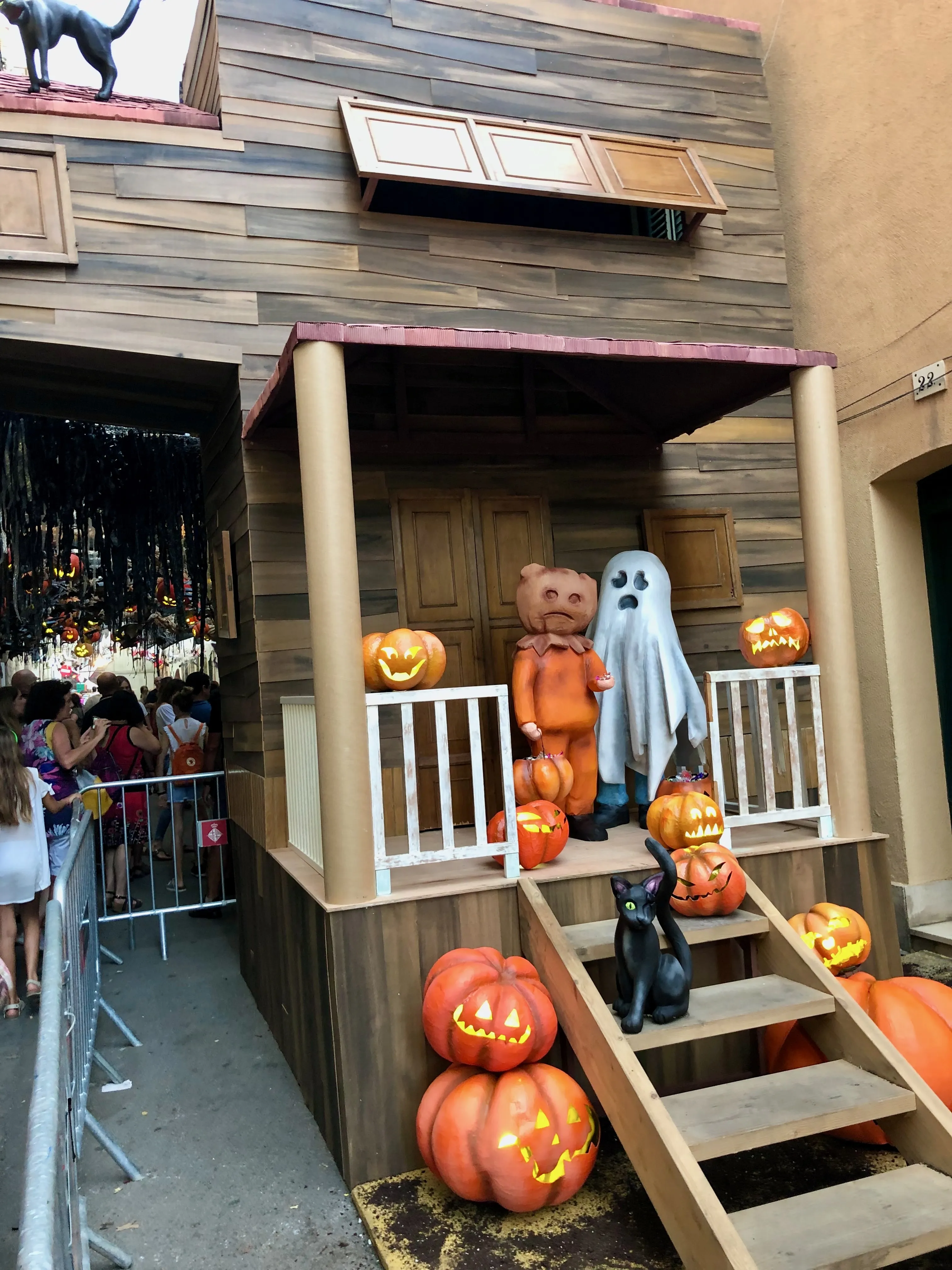
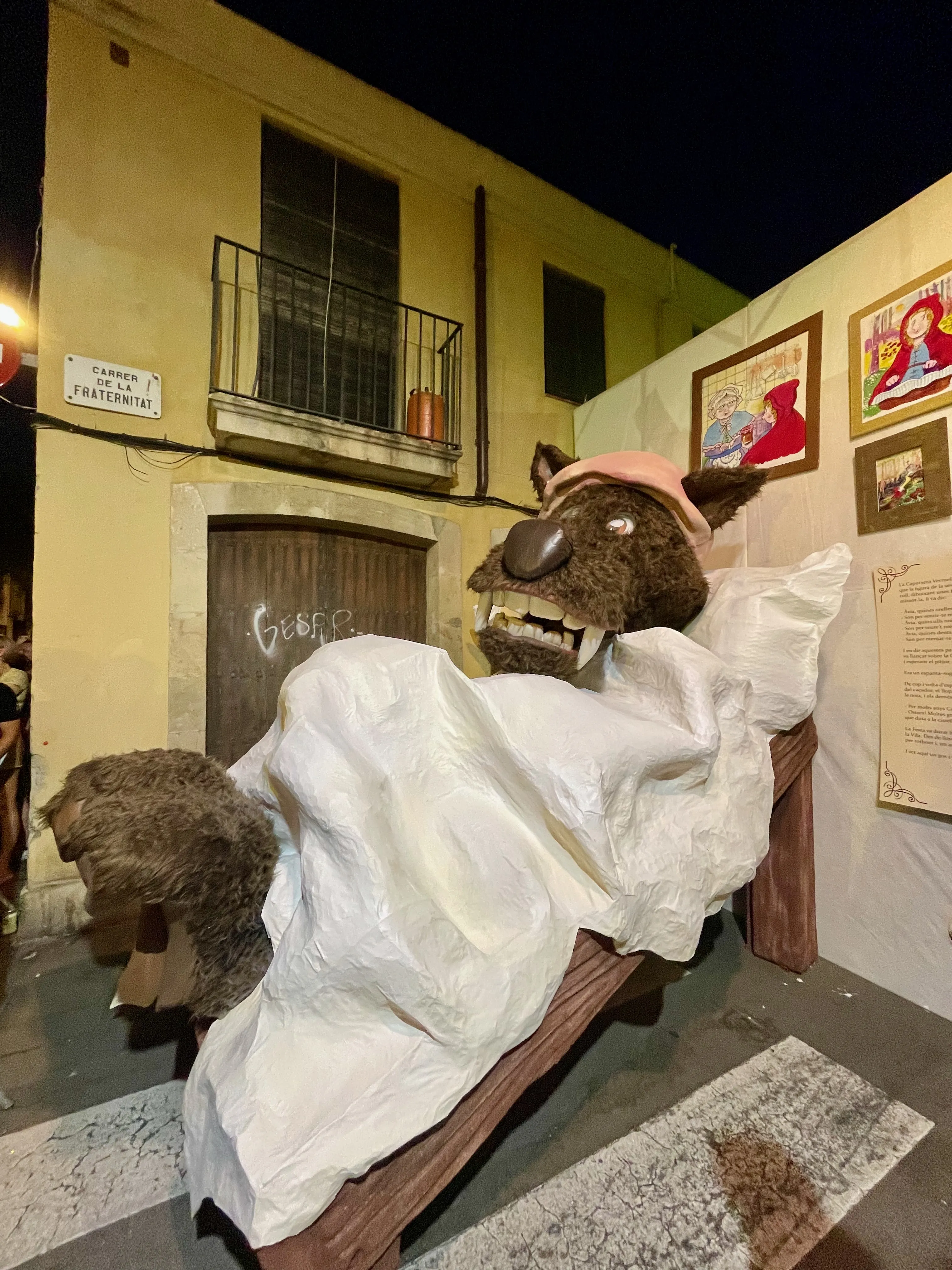
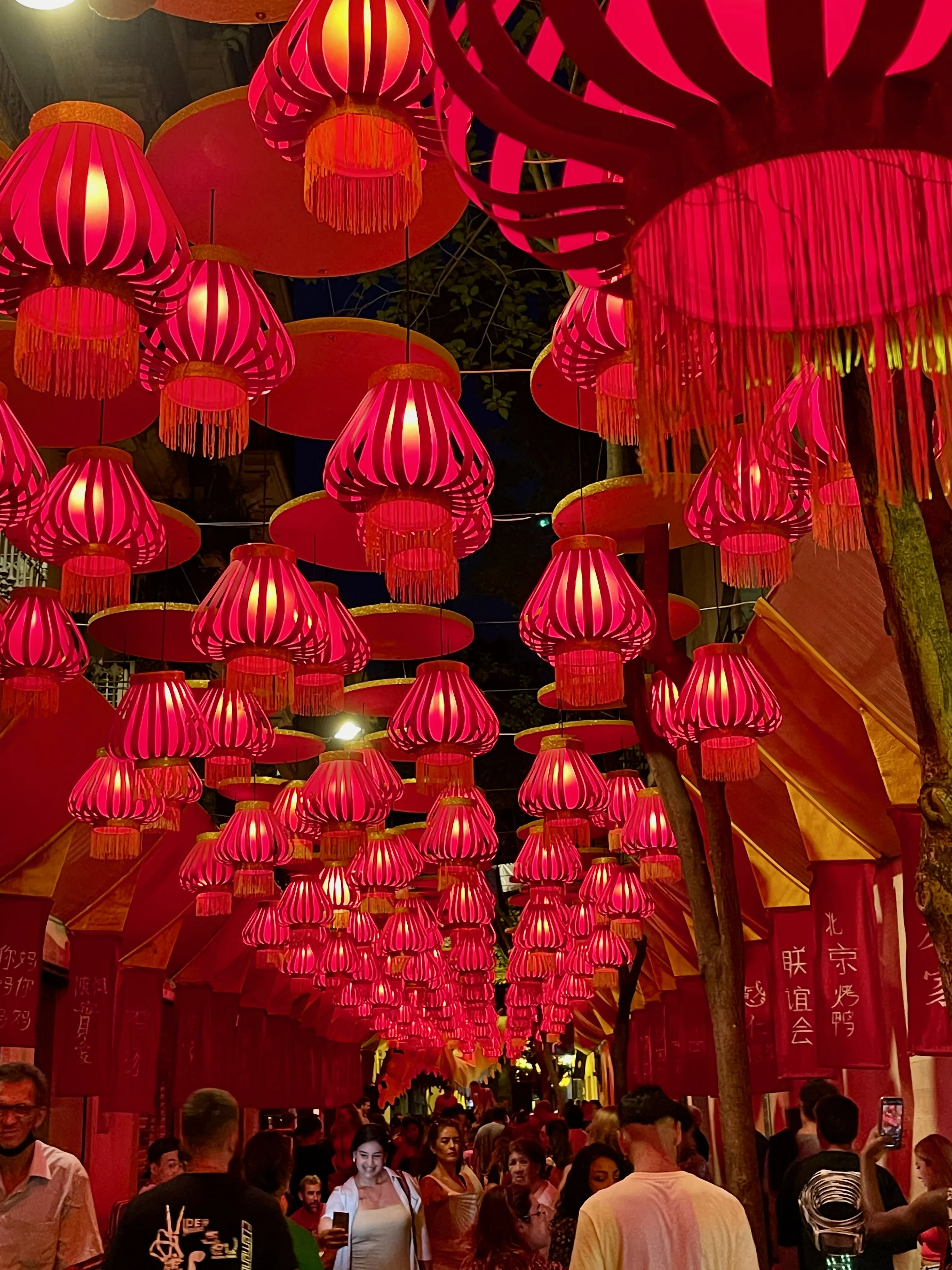
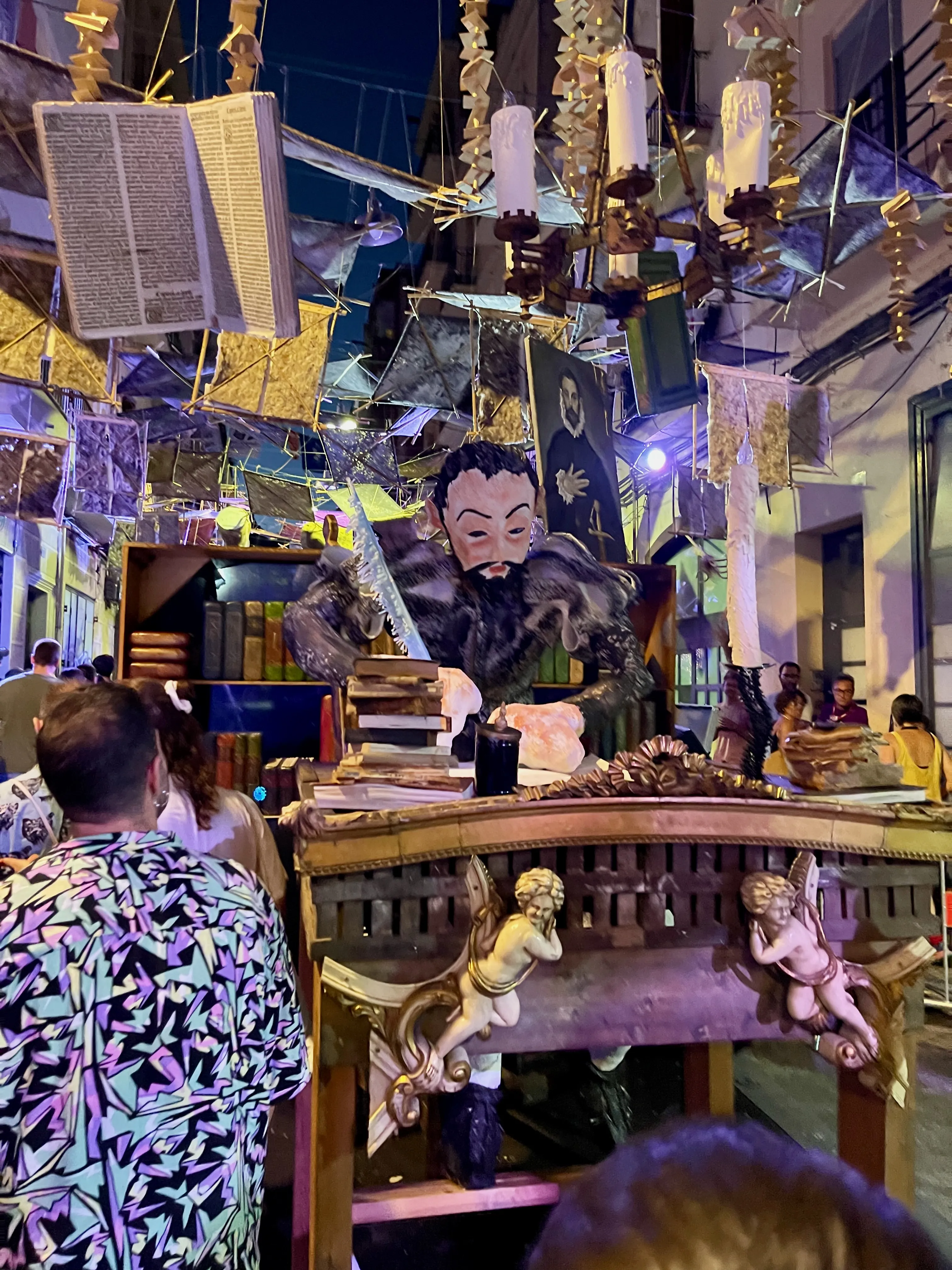
Individual streets, not the neighbourhood as a whole, each pick a theme and build their own decorations by hand, out of reused and recycled materials. It's deliberately not theme-park polished, and that's exactly what makes it worth seeing. Residents vote on the best-decorated street.
Format
Every street throws its own party, each with a different atmosphere and its own music. The festival circuit only overlaps 2–3 days with the next neighbourhood's own festival as it moves on, and the bigger streets can run until 3 or 4am.
Streets to Watch
Carrer de Mozart, Carrer del Progrés, Carrer de Verdi, Carrer de Tordera, and Carrer de Fraternitat are consistent standouts. The main gathering point is Plaça de la Vila de Gràcia, the neighbourhood's town hall square.
When to Go
Daytime or early afternoon means fewer crowds and an easier look at the decorations, they're less dramatic without the evening lighting, but you'll actually see them without a long queue. Evening is the real party, with peak crowds to match.
This year's headline story: for the first time in a decade, five streets, Fraternitat de Dalt, Fraternitat de Baix, Progrés, Tordera, and Llibertat, have coordinated a joint theme around The Lord of the Rings, each taking a different scene from the trilogy. It's the kind of detail that shows how seriously, and how playfully, Gràcia's residents take this every year.
A Quieter Side, If That's More Your Speed
On 17 August, the festival runs an official "Nit Tranquil·la," from 8pm streets scale back to low-noise activities instead of loud concerts, giving residents, and anyone who wants a mellower evening, some breathing room mid-festival. The same day, the Oratori de Sant Felip Neri hosts the Exposició de la Convidada dels Gegants de Gràcia (17–21 August), a display of the neighbourhood's giants, big-heads, and guest troupe figures, organised by the Geganters de Gràcia, a good, calmer alternative if the street parties aren't your scene.
Carrer de Fraternitat decorated for a past Festa Major, 2019.
Carrer de Fraternitat decorated for a past Festa Major, 2022.
Carrer de Tordera decorated for a past Festa Major.
Carrer de Verdi decorated for a past Festa Major — this year's theme, "Metamorfosi," is different from what's shown here.
Good to Know Before You Go
- August heat and humidity can be brutal, plan accordingly
- The metro runs its normal hours, no special night service laid on for the festival
- Leaving late is the hardest part logistically, ride-hailing apps get slammed as everyone tries to leave at once, meaning surge pricing and long waits. Plan your exit before you need it
- Food trucks run late into the night on some streets
- Completely free to attend, no entry fee, no suggested donation. You only pay for what you eat or drink. Cards work most of the time, but not always, worth carrying a little cash just in case
- Outdoor street party means the usual cautions apply: keep an eye on your belongings and your drinking, especially in the busier crowds
- Toilets are temporary plastic cabins only, don't expect proper facilities
Who it suits: Late night belongs to the party crowd. Daytime and early evening work well for families, kids can enjoy the decorations without the late-night intensity, and the homemade, amateur quality of it all is part of the charm, not a flaw to work around.
A note on respecting the neighbourhood: Festa Major takes over specific streets, not all of Gràcia, plenty of residents are just going about a normal week around it. Keep noise down on the quieter residential streets between party streets, and generally: enjoy the party where the party actually is, and be a good guest everywhere else.
More information: Official site — festamajordegracia.cat. App — Android / iOS.
An Interesting Aside
One year, a Pac-Man-themed street and a Pokémon-themed street decided to do a joint "crossover," characters from each "married" between the two streets. It's the kind of detail that only makes sense once you've seen how seriously, and how playfully, each street takes its own decorations. Nobody's handing out a rulebook for Festa Major's creativity, the neighbourhood just runs with it.
Where to Stay
Gràcia isn't a hotel neighbourhood, walk through it and what you'll mostly see are flats where people actually live, not tourist accommodation. That's part of what makes staying here different: you're among locals, not on a hotel strip. What's available leans toward apartments and small guesthouses rather than big chains.
Affiliate link — I earn a small commission if you book through this widget, at no extra cost to you.