Attractions Neighborhoods Shopping Barcelona Life
Work With Me
Events
On This Page
Sea views from Torre Mapfre in Barcelona, taken during a previous 48h Open House Barcelona
Barcelona Life · Events

48h Open House Barcelona

The weekend Barcelona opens the doors it normally keeps shut

For 48 hours every October, more than 200 buildings in and around Barcelona open their doors to anyone who turns up. 48h Open House Barcelona, which you'll also see called Open House Barcelona or Open House BCN, is an annual architecture festival. It's the one weekend a year when you can walk into places that stay closed to visitors the rest of the time.

I've been to a few buildings over the years, and it always goes the same way. You pick a handful of places, you queue for some of them, and you end up somewhere you'd never have found on your own.
This year

Saturday 24 and Sunday 25 October 2026.

Registration for the visits that need it opened on Monday 19 October at 20:00. The programme lists more than 220 activities, across Barcelona, Badalona, L'Hospitalet, Sant Joan Despí, Sitges and Vilassar de Dalt.

How it works

The festival is free, and it doesn't sell tickets. For most buildings you simply turn up, join the queue and go in. Volunteers manage the doors, and depending on the building you'll get a guided visit or the freedom to wander.

A smaller number of visits need registration in advance, mainly the guided itineraries and a few infrastructure buildings. Those go through the official registrations page, which is where you'll find the opening date, and they carry a small booking fee. Children need their own booking too.

Most of the buildings are in Barcelona itself, with neighbouring towns making up the rest. Which towns take part shifts a little from year to year.

Places you can't normally get into

That's the draw. A lot of the buildings are closed to visitors for the rest of the year, and the festival is your way in. The Venetian Towers at Plaça d'Espanya and the Arc de Triomf are two good examples of places not normally open to visitors.

Not every building opens every year, though. The Arc de Triomf has opened in past editions, but I wouldn't build a plan around any place just because it was open once. The programme changes every year, so check the current list before you commit to anything.

If you'd rather see buildings that are open every day, the Attractions page is the place to start. Two I cover there are the Hospital de Sant Pau and the Fundació Joan Miró, both of which you can visit any time of year.

Planning your visit

Start with the official programme and choose your priorities before the weekend, not on the day. Book anything that needs registration first, since that has to happen in advance.

Then build the route around areas rather than single buildings. The festival groups its programme into zones you can cover on foot, and walking between neighbours beats crossing the city for every stop.

Go early for the popular ones. Some buildings have very long queues, and in past editions I've seen a live map of waiting times on the festival days. The festival says it shares live crowd information on its social media too, so it's worth checking before you commit to a long wait.

Pictures from previous editions

These are my photos from previous editions, mostly of places I wouldn't have visited otherwise.

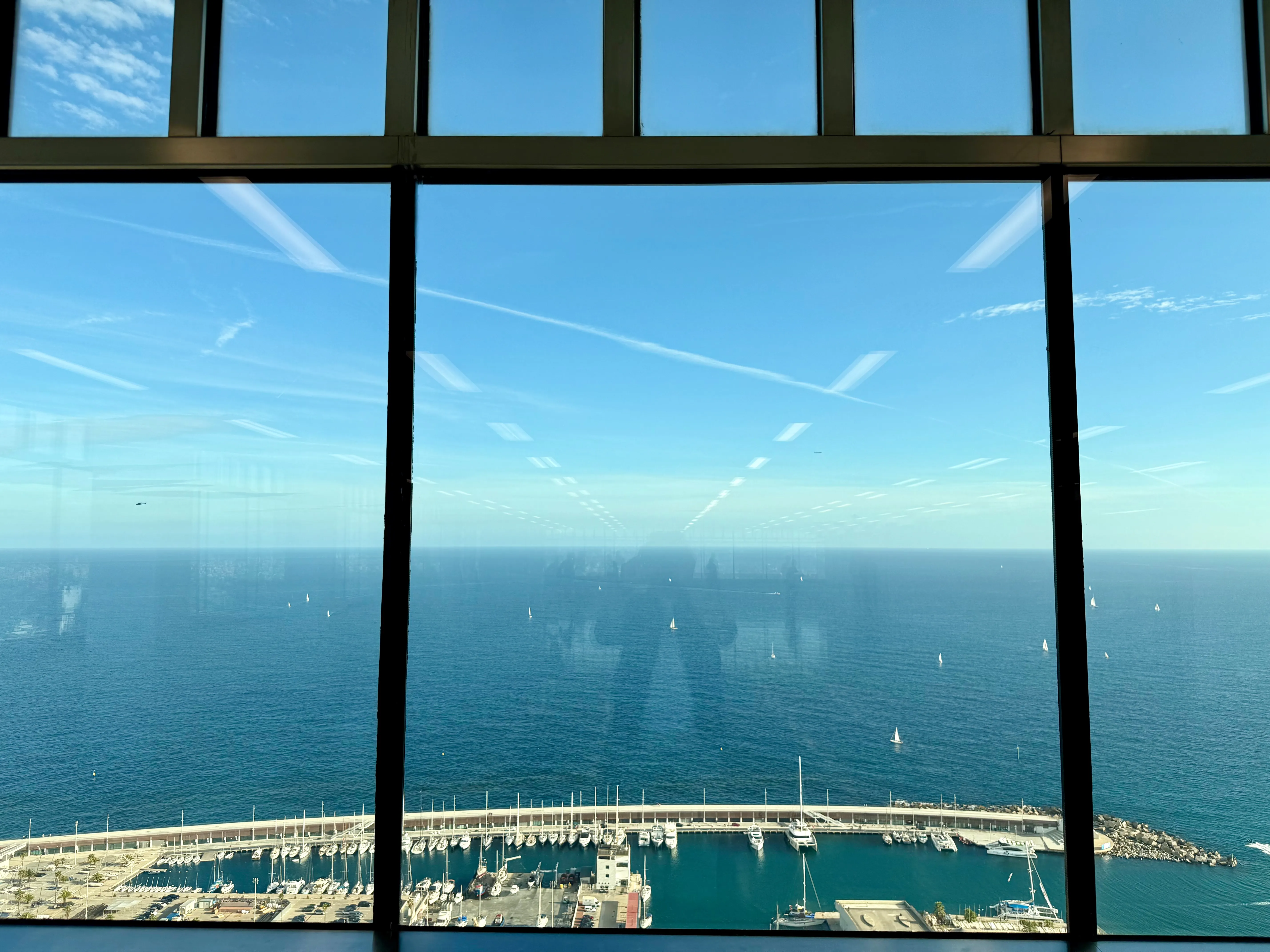
Blue sea and a marina seen through the windows of Torre Mapfre in Barcelona
Sea views from Torre Mapfre.
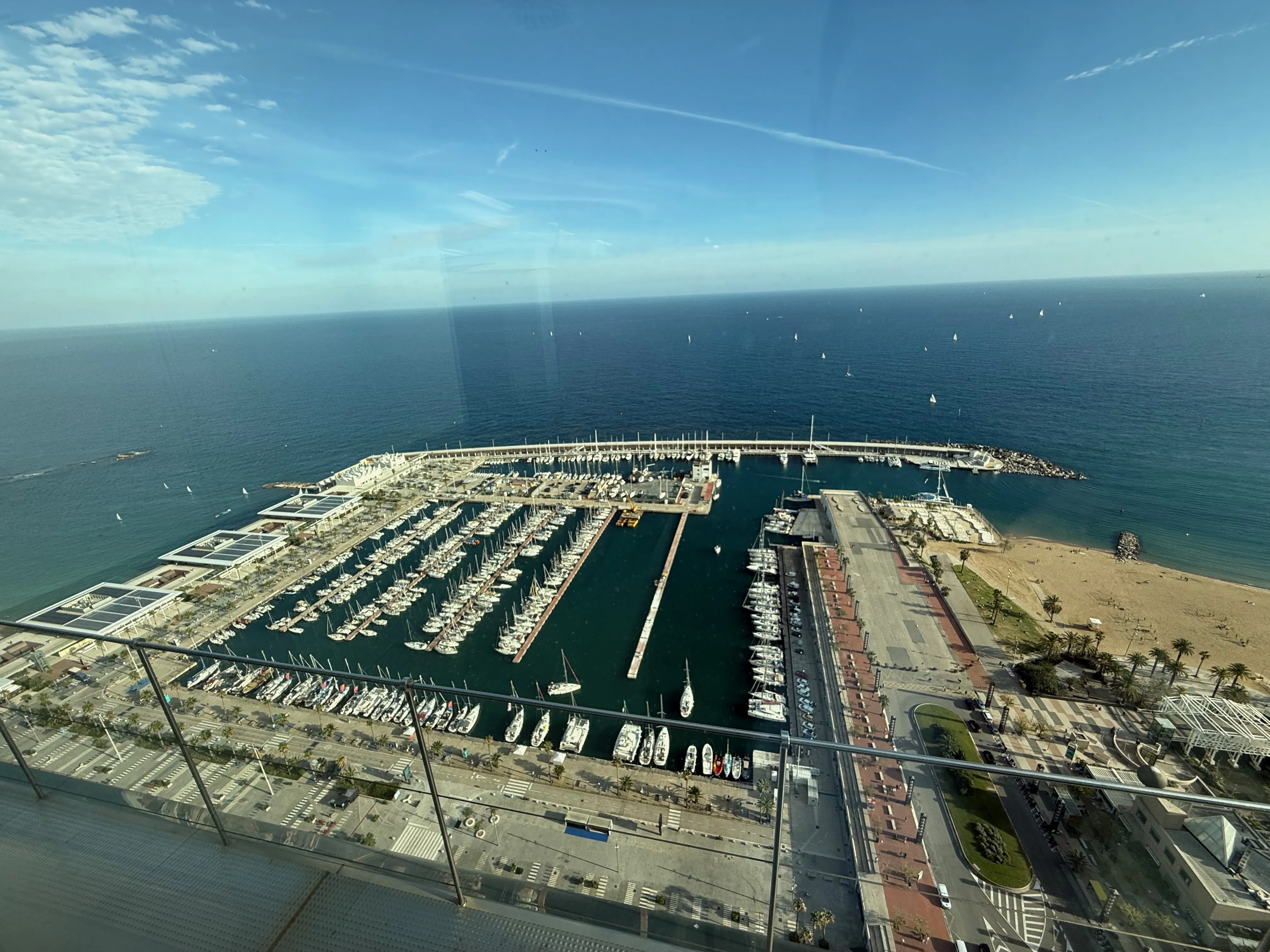
Port Olímpic marina in Barcelona seen from high up in Torre Mapfre
Views of Port Olímpic from Torre Mapfre.
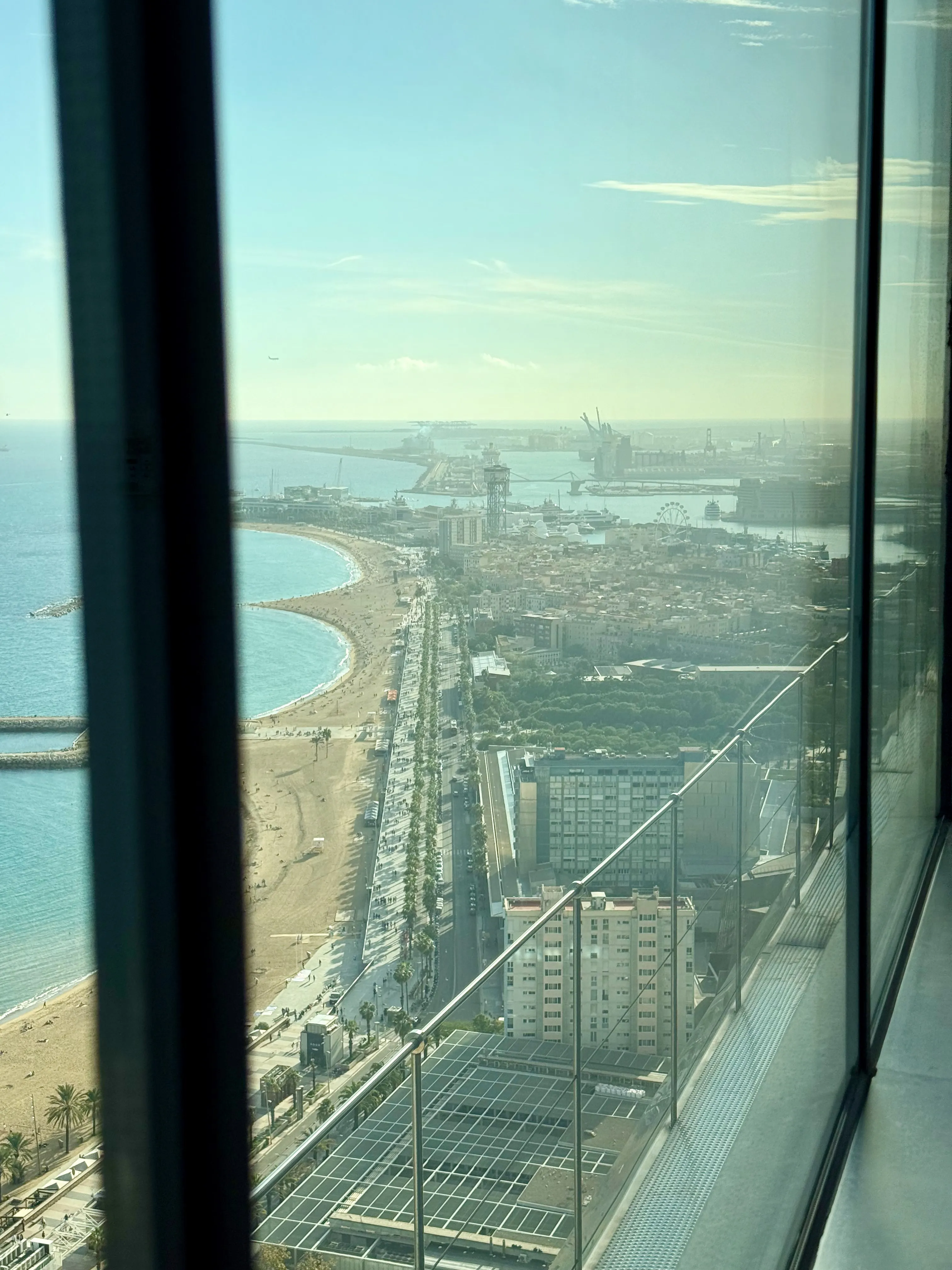
Barceloneta beach and the port seen from Torre Mapfre in Barcelona
Views of Barceloneta from Torre Mapfre.
Edifici Colom in Barcelona seen from below, a tall tower of windows above a ridged concrete base
Edifici Colom from the outside.
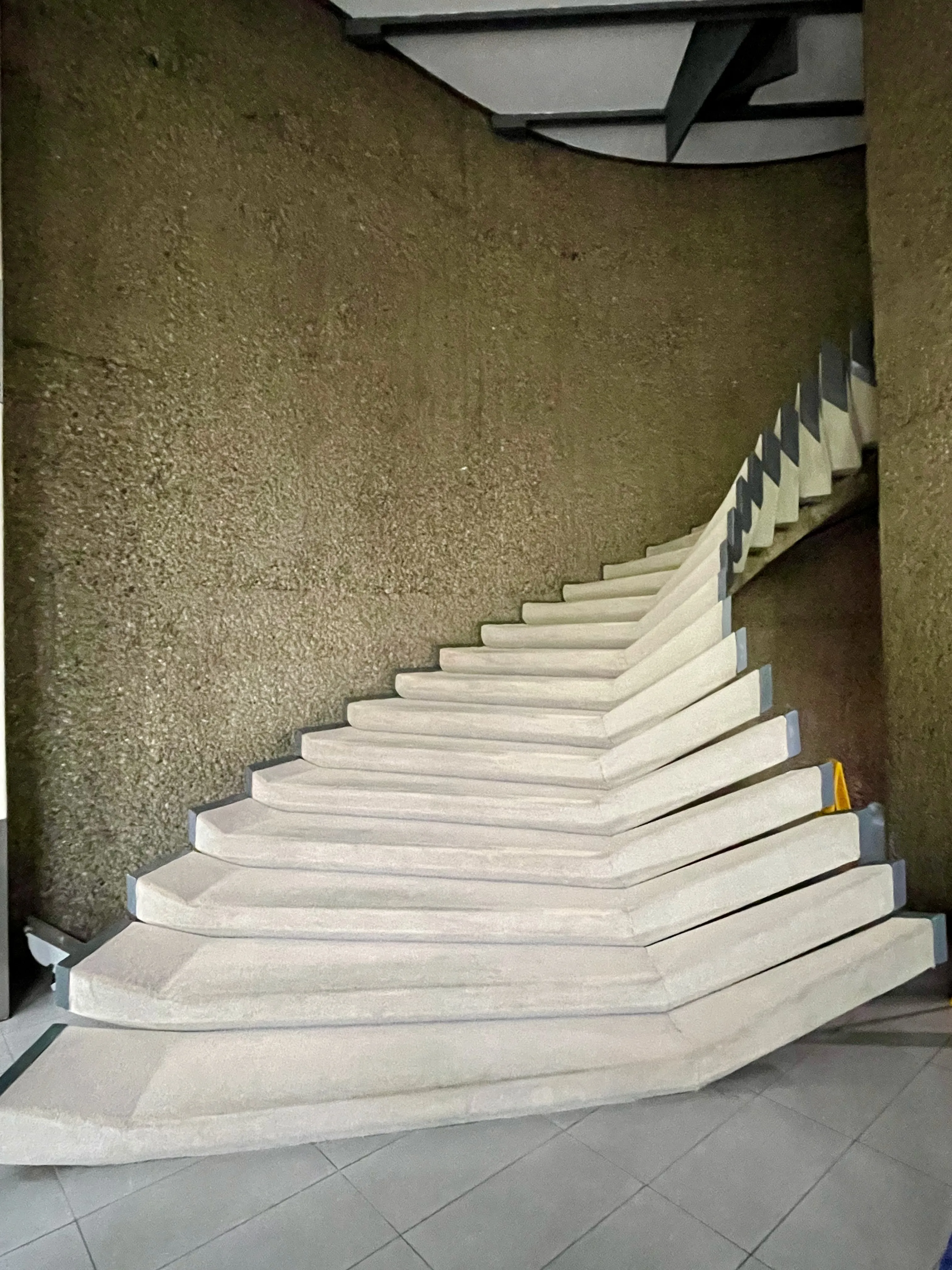
A white stone staircase curving up beside a rough textured wall inside Edifici Colom in Barcelona
One of the staircases inside Edifici Colom.
A second, near-identical staircase inside Edifici Colom in Barcelona, photographed from a different angle, with a scale model of the tower beside it
A second staircase inside Edifici Colom, almost identical in design, from a different angle.
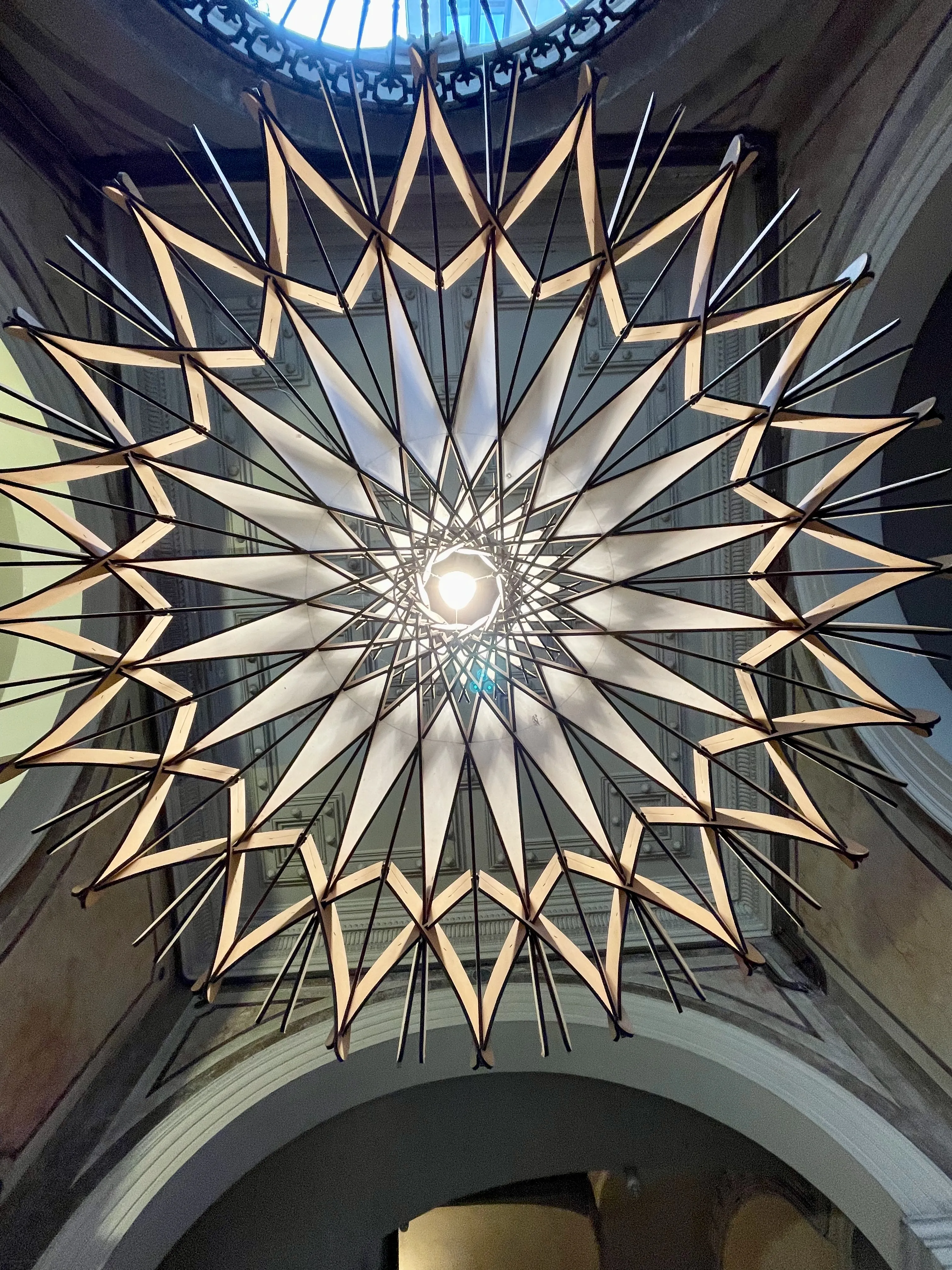
A wooden star-shaped light fitting seen from below under a skylight at Fundació Enric Miralles in Barcelona
A close-up of an indoor detail at Fundació Enric Miralles.
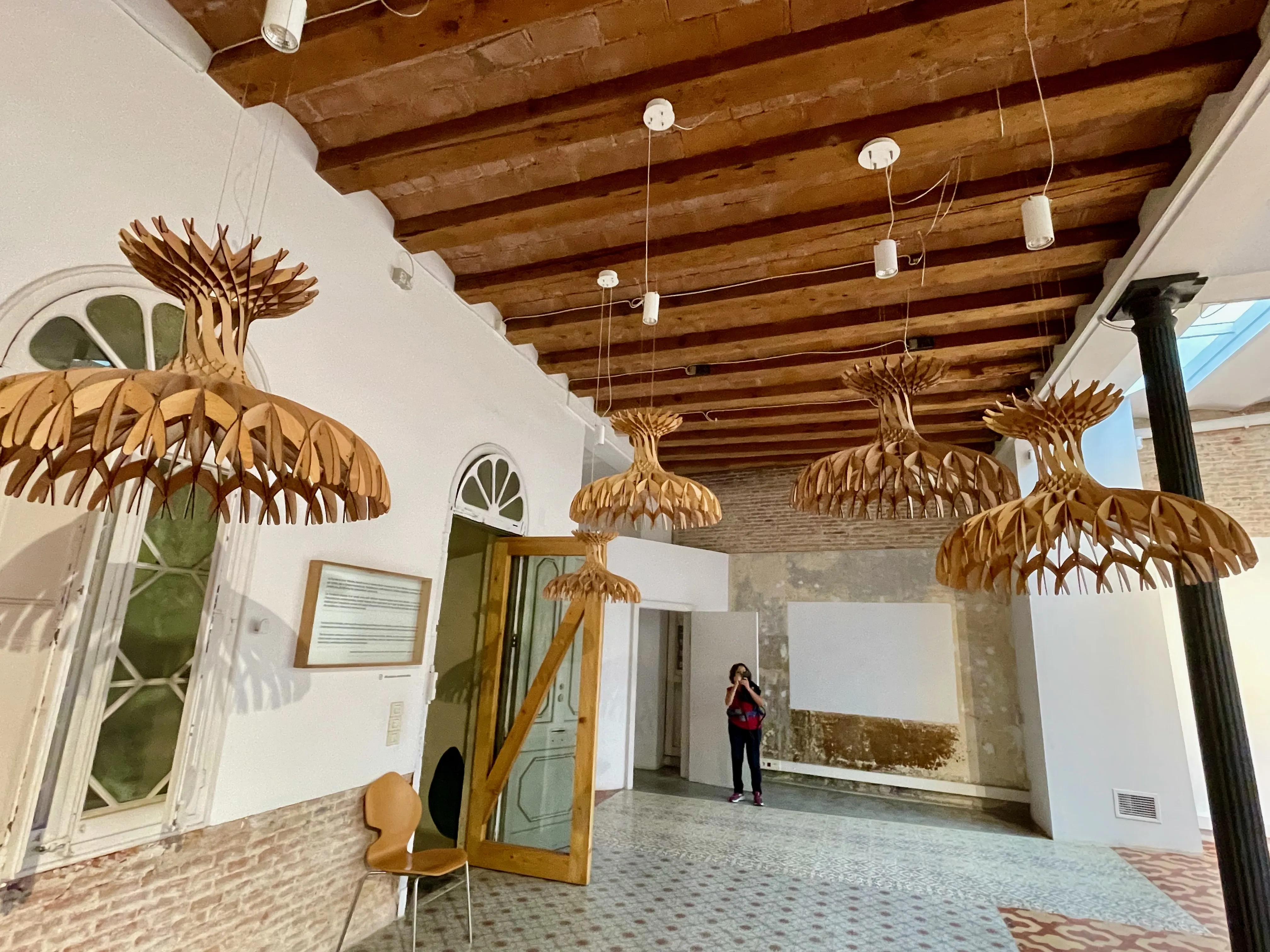
Wooden pendant lights hanging from a beamed ceiling inside Fundació Enric Miralles in Barcelona
Inside Fundació Enric Miralles.
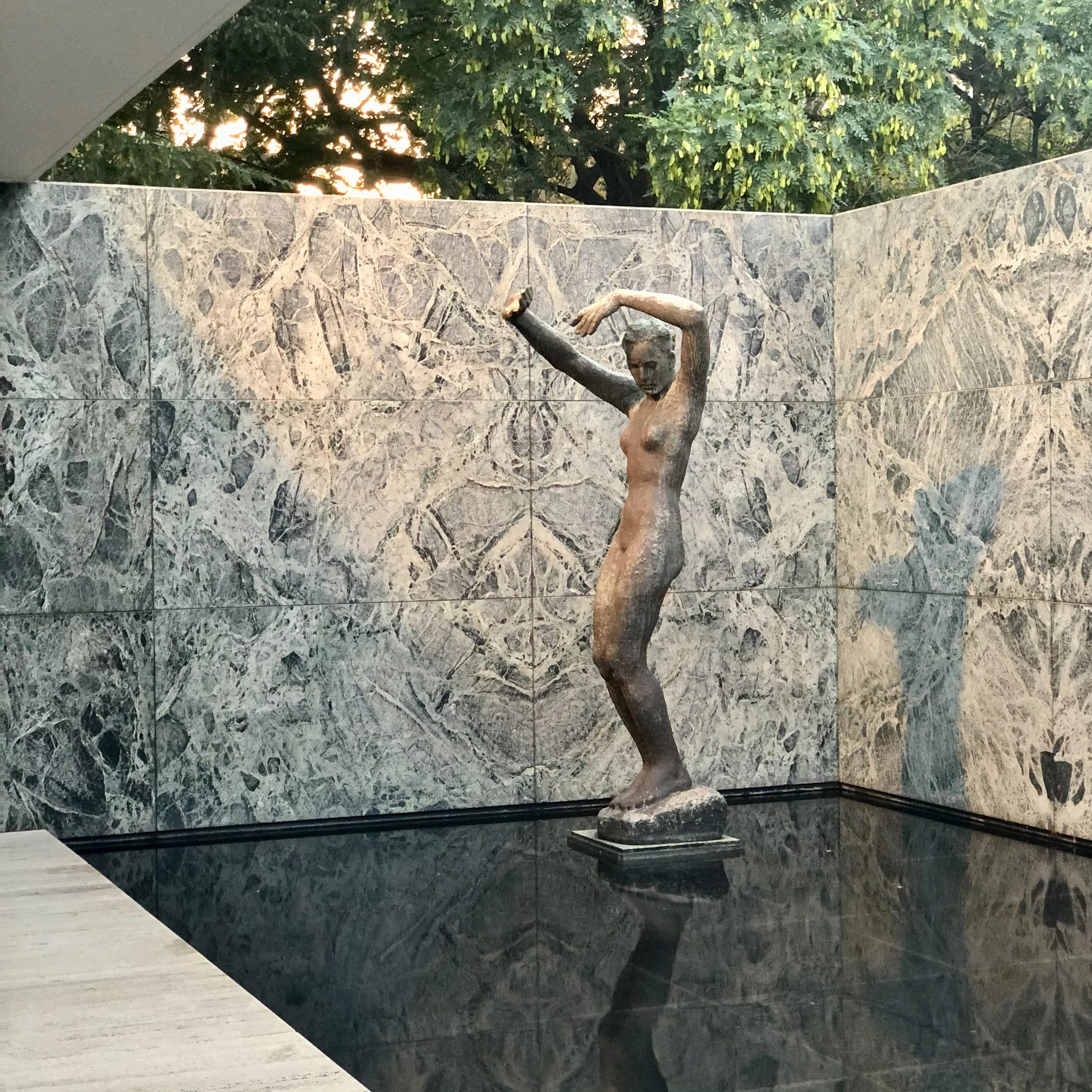
A bronze statue standing in the dark pool of the Barcelona Pavilion on Montjuïc in Barcelona
The pool at the Barcelona Pavilion.
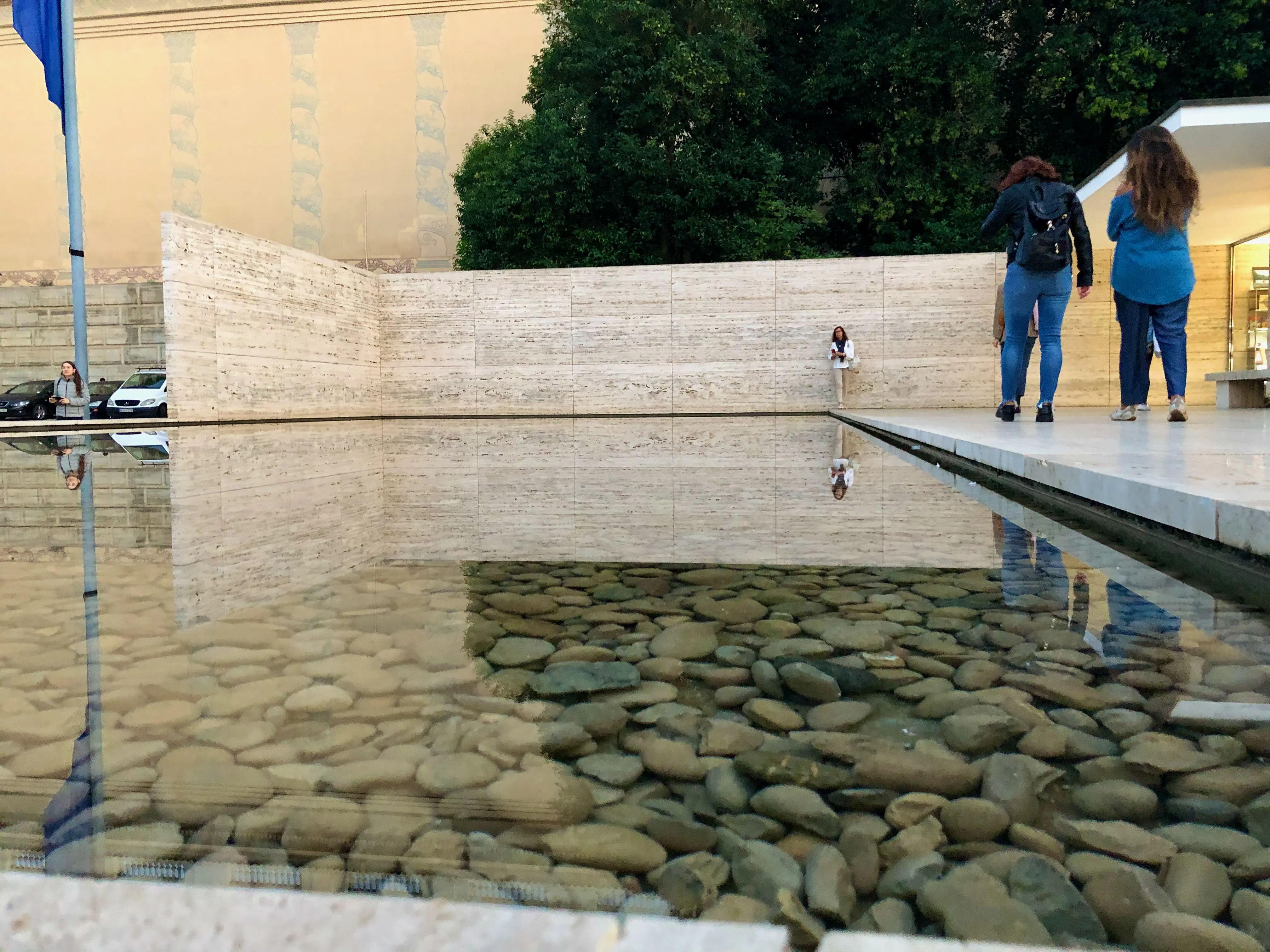
Pebbles under still water beside a travertine wall at the Barcelona Pavilion on Montjuïc in Barcelona
The Barcelona Pavilion, designed by Ludwig Mies van der Rohe and Lilly Reich.

Frequently Asked Questions

It's an annual architecture festival. Once a year, over one weekend in October, more than 200 buildings in and around Barcelona open their doors, many of them not normally open to visitors. You'll also see it called Open House Barcelona or Open House BCN.

Once a year, over a weekend in October. The exact dates change every year, so check the This year box at the top of the page for the current edition.

Yes. The festival is free and doesn't sell tickets. The exception is a smaller number of visits that need registration in advance, and those carry a small booking fee.

For most buildings, no. You turn up, join the queue and go in. Some visits, mainly guided itineraries and a few infrastructure buildings, need registration in advance through the official registrations page, and children need their own booking.

It changes every year. More than 200 buildings take part, and not every building opens every year. The Arc de Triomf has opened in past editions, for example, so never assume a place that was open once will be open again. The official programme has the current list.

Choose your priorities from the official programme before the weekend and book anything that needs registration. Group buildings in the same area so you're walking rather than crossing the city, and go early to the popular ones, because some queues get very long.

Barcelona plus several neighbouring towns. The list shifts a little from year to year, and recent editions have included Badalona, L'Hospitalet, Sant Joan Despí, Sitges and Vilassar de Dalt.

Keep Exploring